
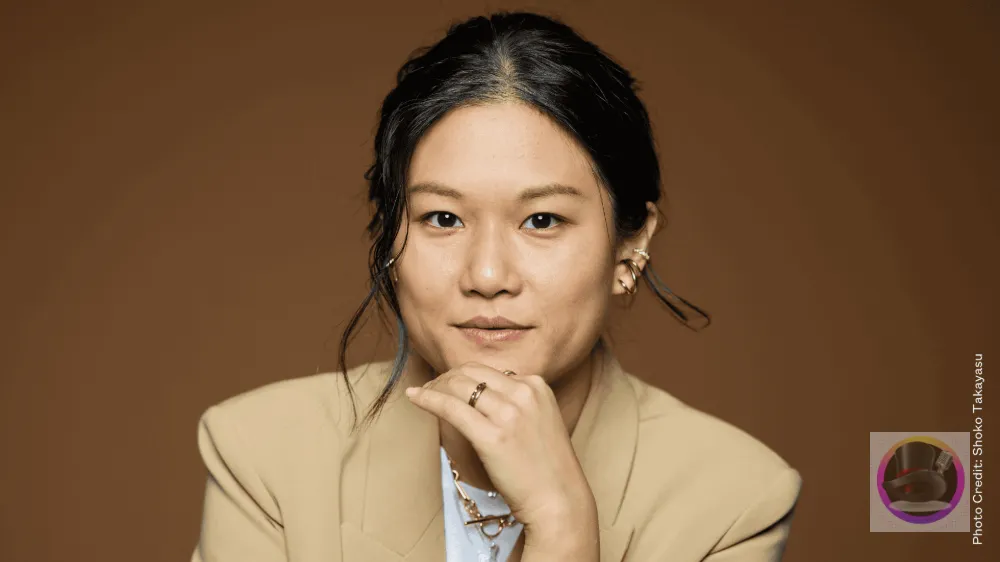
Karen Hao: Investigative AI Journalist
Karen Hao is a globally recognized AI journalist and investigative author who exposes the forces shaping artificial intelligence and empowers audiences to build a fairer, more democratic technological future.
Quick Facts:
- Named one of TIME’s 100 most influential people in AI
- Former Silicon Valley engineer with deep technical and investigative expertise
- Author of the bestselling Empire of AI (Penguin Press, 2025)
- Years of exclusive reporting on OpenAI and global field investigations
- Formats:
- Keynote speaker, investigative author, AI ethics commentator
- Audiences:
- Policy leaders, executives, technologists, researchers, educators, and organizations seeking clarity on AI’s risks, opportunities, and governance challenges
- Outcomes:
- Clear frameworks for evaluating AI’s societal impact and governance gaps.
- Deeper understanding of the political, economic, and ethical forces shaping AI.
- Actionable guidance on building accountable, democratic, and human-centered technological futures.
- Travels from: Hong Kong
- **US Fee range: $50,001 - $75,000
Talent Services
Keynote Topics:
Empire of AI: How Silicon Valley is Reshaping the World
Generative AI and ChatGPT
In this time of technological and political upheaval, we must re-evaluate the way that we talk about and embrace AI—especially generative models like ChatGPT, and Artificial General Intelligence. Many of the ways that society could benefit from AI—better education and healthcare, a faster transition to renewables, clean air and clean water—have nothing to do with AI models today; they are based on the machine-learning models that have come before. But Silicon Valley, with OpenAI at its helm, has woven a remarkably compelling narrative about generative AI and Artificial General Intelligence being the key to progress and abundance.
This narrative cloaks what’s happening beneath the surface, says Karen Hao. In this timely talk, drawing on years of original research, she examines a growing body of evidence to ask whether AI will ever produce broad-based economic benefit. Companies like OpenAI have become empires in the full sense of the word, consolidating extraordinary power and wealth in the hands of the few.
In this historic moment, she shows us, the threat of the empires of AI grows clearer by the day. A return to empire is the unraveling of democracy. But there is another viable path. Karen offers an ultimately realistic and hopeful look at how to wrestle back what we’ve already lost, in order to create a world we all want.
Talent Short Bio
Karen Hao is an internationally respected AI reporter and investigative journalist known for her deeply researched, globally informed analysis of artificial intelligence and its societal impact. Widely regarded as one of the leading voices in the field, she was named one of TIME’s 100 most influential people in AI and praised by Dr. Joy Buolamwini as “one of the foremost tech journalists covering AI.” Before entering journalism, Karen worked as an engineer in Silicon Valley, giving her both technical fluency and insider context that shape her reporting.
She is the author of the New York Times bestselling book Empire of AI: Dreams and Nightmares in Sam Altman’s OpenAI (Penguin Press, 2025), an investigative exposé that uncovers the power struggles, ethical tradeoffs, and global implications behind one of the world’s most influential technology institutions. Her work spans years of exclusive reporting on OpenAI and field investigations across five continents, offering audiences unparalleled insight into how AI is transforming governance, labor, human rights, and geopolitical dynamics.
In her keynotes, Karen delivers a clear-eyed assessment of the technology’s risks and opportunities. Her message extends beyond critique; she equips audiences with the frameworks, questions, and agency needed to influence AI’s trajectory
Videos
Interest to Book? Send us your enquiry
No reviews available for this post.
Talent FAQ's
Do speakers charge a flat fee or by the hour?
Speaker fees can vary depending on factors such as expertise, demand, and event specifics. While some speakers may charge a flat fee for their services, others may have hourly rates. It’s best to discuss fee structures directly with the speaker or their representative to understand the pricing model.
What is the typical duration of a keynote speech and what is included?
Keynote speeches typically range from 30 to 90 minutes, with the duration determined by the speaker’s expertise, the event’s agenda, and audience preferences. Keynote speeches often include a combination of inspirational stories, practical insights, and actionable advice tailored to the event’s theme or objectives.
Does the scale of the event and audience size affect a speaker’s fee?
The scale of the event and audience size can indeed impact a speaker’s fee. Larger events with a broader reach or higher attendance may command higher fees due to increased exposure and demand. Conversely, smaller events or niche audiences may offer opportunities for more flexible pricing arrangements.
Travel expenses and other costs
Travel expenses such as transportation, accommodation, and meals are typically negotiated separately from the speaker’s fee. These costs vary depending on the speaker’s location, travel distance, and event duration. It’s important to clarify travel arrangements and expenses during the booking process to avoid misunderstandings.
Deposits and securing a booking
Many speakers require a deposit to secure a booking, with the remaining balance due closer to the event date. Deposits are often non-refundable and serve as a commitment from both parties. It’s advisable to discuss deposit requirements and payment terms with the speaker or their representative when finalizing the booking.
Additional tips and takeaways
- Virtual speaking appearances are a cost-effective alternative to high speaking fees, often 10-50% cheaper than in-person rates.
- There is typically no difference in fee for a 15-minute speech versus a 60-minute speech.
- Some motivational speakers are open to discounting their fee if hired for more than one event by the same organization.
- When browsing speakers, consider their location to keep travel costs down.
- Personal connections to your organization or event location can increase your chances of securing a renowned speaker.
- Be upfront about your needs and expectations to ensure a successful partnership.
- Speaker bureaus like Speakers Inc help guide you through the booking process to negotiate the best deal with favorable terms.
Ready to find the perfect speaker for your event? Use our advanced search feature or contact us to get started today!
You may be interested in...
- Leadership speaker
Helping organizations build cultures customers and employees love.
- Culture Speaker

She inspires audiences through honest stories, leadership, and cultural insight.
- Celebrity Host

- Performance Speaker
Helping leaders balance innovation, wellbeing, and sustainable business growth.
- Digital Transformation


She helps people build wealth through smart real estate decisions.
- Real Estate
No results available
Disclaimer
These remain the property of its owner and are not affiliated with or endorsed by Speakers Inc.
Fee Range Information
All talent fees exclude travel and accommodation where required.