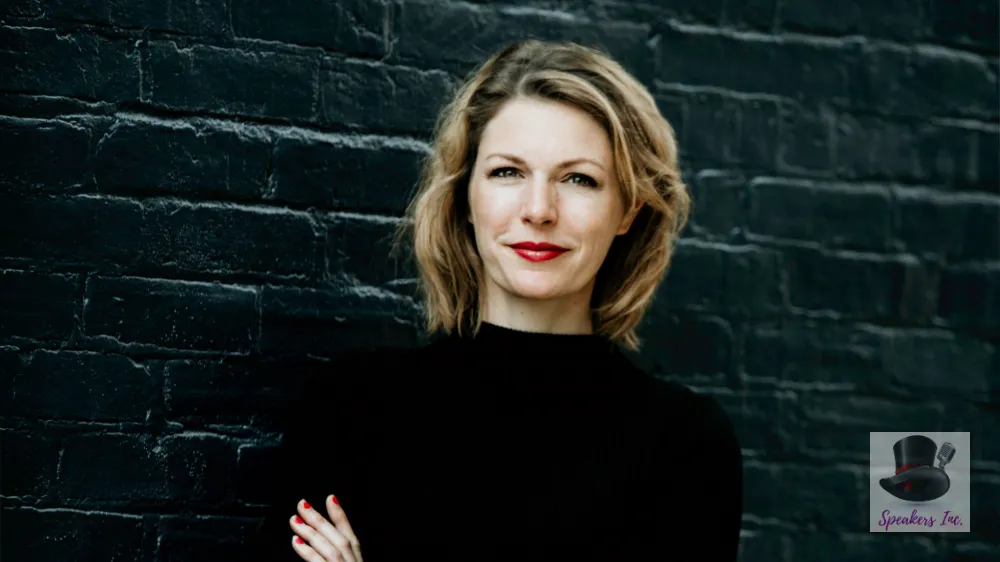
Dr. Kate Darling: Robotics Expert
Robot ethics expert who helps audiences understand social robotics, trust, and the ethical impact of AI on work and society.
Quick Facts:
- Research scientist at MIT Media Lab
- Global authority on robot ethics and human-robot interaction
- Contributor to leading publications including BBC and WIRED
- Co-taught robot ethics at Harvard Law School
- Formats:
- Keynote Speaker and Technology Ethics Expert
- Audiences:
- Technology leaders, policymakers, researchers, corporate innovators, and organizations exploring AI, robotics, and ethical innovation.
- Outcomes:
- Understand the ethical implications of human-robot interaction
- Explore how emotional connections influence technology adoption
- Apply ethical thinking to innovation, design, and policy decisions
- Travels from: Boston, MA
- **US Fee range: On Request
Talent Services
Keynote Topics:
The Future of Human-Robot Interaction
The robots are coming and they’re getting smarter, evolving from singletask devices (think Roomba) into machines that can make their own decisions and autonomously navigate public spaces. From transportation systems, hospitals, and the military, to the robotization of our workplaces and households, robots will be everywhere and will increasingly interact with people.
Whether you find it exhilarating or terrifying (or both), progress in robotics and related fields like AI raises new ethical quandaries and challenges legal codes created for a world in which a sharp line separates man from machine.
Drawing from her recent work exploring humans’ emotional responses to robots, Dr. Kate Darling answers questions like:
What happens when robots move from behind factory walls into shared spaces and begin interacting with humans?
What opportunities and challenges should we anticipate in the future of human-robot interaction?
Where does the true potential of AI and robotics lie, and will robots supplement human ability, or replace it?
Why do people treat robots like living things, and why does that matter?
What can and can’t robots and AI do? What societal challenges will we face in a future with robots (ethical, legal, and social)?
Dr. Darling examines why people fear some robots and empathize with others, while also prompting—and answering—questions about what society’s relationship with these robots could look like in the future.
What follows is in part an examination of the technology itself, but ultimately, offers a window into how it’s poised to change the way we relate to each other and our own humanity—and why it matters.
Talent Short Bio
Dr. Kate Darling is a leading expert in robot ethics and human-robot interaction, recognized for her groundbreaking research on the social, emotional, and legal impacts of robotics. As a research scientist at the MIT Media Lab, she studies how people emotionally engage with robots and how these relationships influence society, law, and policy.
Darling’s work pushes beyond technical innovation, focusing on the human side of robotics. She has advised policymakers, industry leaders, and global audiences on the challenges and opportunities created by emerging intelligent systems. Her research and talks explore questions such as: how should society treat robots, and how will their presence change our behavior, workplaces, and ethics?
With clarity and accessibility, Darling inspires audiences to think critically about the future of technology while also empowering organizations to make ethical and strategic decisions. She is a frequent media contributor and has been featured in outlets like The New Yorker, The Guardian, and PBS.
Her engaging presentations combine academic rigor with relatable stories, sparking thought-provoking discussions on the evolving relationship between humans and machines.
Videos
Interest to Book? Send us your enquiry
No reviews available for this post.
Talent FAQ's
Do speakers charge a flat fee or by the hour?
Speaker fees can vary depending on factors such as expertise, demand, and event specifics. While some speakers may charge a flat fee for their services, others may have hourly rates. It’s best to discuss fee structures directly with the speaker or their representative to understand the pricing model.
What is the typical duration of a keynote speech and what is included?
Keynote speeches typically range from 30 to 90 minutes, with the duration determined by the speaker’s expertise, the event’s agenda, and audience preferences. Keynote speeches often include a combination of inspirational stories, practical insights, and actionable advice tailored to the event’s theme or objectives.
Does the scale of the event and audience size affect a speaker’s fee?
The scale of the event and audience size can indeed impact a speaker’s fee. Larger events with a broader reach or higher attendance may command higher fees due to increased exposure and demand. Conversely, smaller events or niche audiences may offer opportunities for more flexible pricing arrangements.
Travel expenses and other costs
Travel expenses such as transportation, accommodation, and meals are typically negotiated separately from the speaker’s fee. These costs vary depending on the speaker’s location, travel distance, and event duration. It’s important to clarify travel arrangements and expenses during the booking process to avoid misunderstandings.
Deposits and securing a booking
Many speakers require a deposit to secure a booking, with the remaining balance due closer to the event date. Deposits are often non-refundable and serve as a commitment from both parties. It’s advisable to discuss deposit requirements and payment terms with the speaker or their representative when finalizing the booking.
Additional tips and takeaways
- Virtual speaking appearances are a cost-effective alternative to high speaking fees, often 10-50% cheaper than in-person rates.
- There is typically no difference in fee for a 15-minute speech versus a 60-minute speech.
- Some motivational speakers are open to discounting their fee if hired for more than one event by the same organization.
- When browsing speakers, consider their location to keep travel costs down.
- Personal connections to your organization or event location can increase your chances of securing a renowned speaker.
- Be upfront about your needs and expectations to ensure a successful partnership.
- Speaker bureaus like Speakers Inc help guide you through the booking process to negotiate the best deal with favorable terms.
Ready to find the perfect speaker for your event? Use our advanced search feature or contact us to get started today!
You may be interested in...
Turning consumer insight into stronger brands and business growth.
- Professor of Marketing

She energizes audiences with adaptable, stylish, and unforgettable DJ performances.
- Mobile DJ
He pioneers AI breakthroughs that accelerate science and global innovation.
- Co-founder Google DeepMind
He transforms elite sport into practical leadership lessons.
- Sporting Legend
Teaching elite performance through discipline, leadership, and resilience.
- Decorated Navy Seal
No results available
Disclaimer
These remain the property of its owner and are not affiliated with or endorsed by Speakers Inc.
Fee Range Information
All talent fees exclude travel and accommodation where required.