
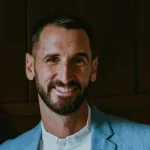
Audrey Tang: Digital Technologist
Audrey Tang, Taiwan’s first Digital Minister and Cyber Ambassador-at-large, pioneers global digital democracy through technology, transparency, and the philosophy of Plurality.

Quick Facts:
- World’s first nonbinary cabinet member
- Internationally recognized civic technologist and digital democracy pioneer
- Founding contributor to the g0v civic technology movement
- Leader in digital governance, transparency, and public participation
- Formats:
Keynote Speaker | Civic Technology Leader | Digital Democracy Expert
- Audiences:
Government leaders, technologists, civic innovators, and organizations seeking to build transparent, participatory, and human-centered digital systems
- Outcomes:
- Understand how technology can strengthen trust and public participation
- Learn practical approaches to transparency and collaborative innovation
- Gain insights into the future of digital governance and civic engagement
- Travels from: Taipei, Taiwan
- **Fee range: $35,001 - $50,000
Keynote Topics
Digital Democracy in the Age of AI
Audrey Tang, Taiwan’s pioneering Digital Minister, will take you on a journey through the transformative power of AI in enhancing democratic processes.
1. The Evolution of Digital Democracy How Taiwan has leveraged AI and digital platforms to increase transparency, citizen participation, and mutual trust.
2. Safeguarding Elections Strategies employed to protect the 2024 presidential and legislative elections from foreign cyber interference.
3. Plurality How technology can be harnessed to promote cooperative diversity and inclusive governance, with real-world examples that have led to significant policy changes and improved public services.
Join Tang to understand how AI can be a force for good in democracies worldwide and learn how these innovations can be applied in your own country.
The Power of Collective IntelligenceThe Power of Collective Intelligence
In this compelling presentation, Audrey Tang will delve into the importance of collective intelligence in today’s digital age.
Key points include
1. Harnessing Public Input How open source platforms can empower citizens to contribute democratically, in order to overcome polarization and manipulation.
2. Transparency and Trust The role of open data and transparent governance in building trust between the government and the public.
3. Real-Time Collaboration Lessons from the Sunflower Movement and how real-time digital communication can facilitate peaceful and productive political negotiations.
4. Global Impact Examples from Taiwan’s successful COVID-19 response and election safeguarding efforts that demonstrate the power of collective intelligence on a global scale.
Tang will illustrate how leveraging the wisdom of the crowd can lead to innovative solutions and a more resilient society.
Digital Resilience for All
Audrey Tang, a renowned digital pioneer, will share insights on building a resilient digital society. The talk will cover:
1. Digital Competence Strategies for safeguarding online information integrity and enhance resilience for all in today’s interconnected world.
2. Technological Pluralism How embracing diverse technological solutions can strengthen societal resilience.
3. Inclusive Innovation Tang’s approach to creating policies that are not only innovative but also inclusive and participatory, ensuring that all voices are heard.
Through real-world examples and forward-thinking strategies, Tang will inspire you to build a digital society that is both innovative and resilient, capable of facing the challenges of the future
Talent Short Bio
Audrey Tang is an internationally recognized technologist, digital democracy architect, and Taiwan’s inaugural Digital Minister (2016–2024). Named to TIME’s “100 Most Influential People in AI” in 2023, Tang has redefined how governments, citizens, and technology collaborate to create more open, resilient societies.
Renowned for leading Taiwan’s innovative, participatory COVID-19 response and fortifying the 2024 elections against foreign cyber interference, Tang’s work blends civic technology, AI ethics, and radical transparency. As Cyber Ambassador-at-large, she continues to champion digital inclusion, open data, and cross-sector collaboration to strengthen democratic trust in the digital age.
Now advancing her global initiative, Plurality, Tang explores how technology can empower collaborative diversity—bridging human and machine intelligence for social good. A self-taught programmer, open-source contributor, and philosopher at heart, she inspires global audiences to see technology not as a tool of division, but of collective wisdom.
Videos
Interest to Book? Send us your enquiry
Overview of User Reviews for Audrey Tang's Talks
Audrey Tang's presentations have garnered widespread acclaim for their engaging and insightful nature. Attendees praise her ability to discuss complex topics related to technology, democracy, and AI in a manner that is both accessible and inspiring. Many found her interactive sessions particularly valuable, as they fostered real-time discussions and deep dives into pressing questions.
Strengths:
- Engaging Presentation Style: Reviewers highlight Tang's talent for making complex subjects relatable and interesting.
- Innovative Ideas: Her thoughts on democracy and technology resonate well with audiences, offering fresh perspectives.
- Interactive Q&A Sessions: Participants appreciate the opportunity to ask questions and engage directly with Tang, enhancing the overall experience.
- Inspirational Messages: Many attendees describe her talks as motivational, providing hope and a vision for the future.
Weaknesses:
- There are no significant weaknesses mentioned in the reviews; all feedback is overwhelmingly positive.
Overall, Audrey Tang's sessions are seen as enlightening experiences that encourage…
Talent FAQ's
Do speakers charge a flat fee or by the hour?
Speaker fees can vary depending on factors such as expertise, demand, and event specifics. While some speakers may charge a flat fee for their services, others may have hourly rates. It’s best to discuss fee structures directly with the speaker or their representative to understand the pricing model.
What is the typical duration of a keynote speech and what is included?
Keynote speeches typically range from 30 to 90 minutes, with the duration determined by the speaker’s expertise, the event’s agenda, and audience preferences. Keynote speeches often include a combination of inspirational stories, practical insights, and actionable advice tailored to the event’s theme or objectives.
Does the scale of the event and audience size affect a speaker’s fee?
The scale of the event and audience size can indeed impact a speaker’s fee. Larger events with a broader reach or higher attendance may command higher fees due to increased exposure and demand. Conversely, smaller events or niche audiences may offer opportunities for more flexible pricing arrangements.
Travel expenses and other costs
Travel expenses such as transportation, accommodation, and meals are typically negotiated separately from the speaker’s fee. These costs vary depending on the speaker’s location, travel distance, and event duration. It’s important to clarify travel arrangements and expenses during the booking process to avoid misunderstandings.
Deposits and securing a booking
Many speakers require a deposit to secure a booking, with the remaining balance due closer to the event date. Deposits are often non-refundable and serve as a commitment from both parties. It’s advisable to discuss deposit requirements and payment terms with the speaker or their representative when finalizing the booking.
Additional tips and takeaways
- Virtual speaking appearances are a cost-effective alternative to high speaking fees, often 10-50% cheaper than in-person rates.
- There is typically no difference in fee for a 15-minute speech versus a 60-minute speech.
- Some motivational speakers are open to discounting their fee if hired for more than one event by the same organization.
- When browsing speakers, consider their location to keep travel costs down.
- Personal connections to your organization or event location can increase your chances of securing a renowned speaker.
- Be upfront about your needs and expectations to ensure a successful partnership.
- Speaker bureaus like Speakers Inc help guide you through the booking process to negotiate the best deal with favorable terms.
Ready to find the perfect speaker for your event? Use our advanced search feature or contact us to get started today!
View further speakers

She creates dancefloor experiences through powerful electronic music performances.
- Mobile DJ
He helps leaders build connected, motivated, and high-performing workplace cultures.
- Organizational Culture
Helping organizations prepare for jobs and challenges yet to emerge.
- Future of Work

- Promoted
She helps leaders build workplaces where people connect and thrive.
- Employee Engagement

- (4 reviews)
She inspires confidence and resilience through aviation and leadership stories
- Inspirational Speaker

She helps people build wealth through smart real estate decisions.
- Real Estate
- Mindset Speaker

Helping people focus on strengths instead of limitations.
- Paralympic Sit-Skier
No results available
Disclaimer
These remain the property of its owner and are not affiliated with or endorsed by Speakers Inc.
Fee Range Information
All talent fees exclude VAT, travel and accommodation where required.