
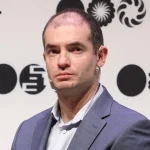
Mira Murati: Former CTO of OpenAI
Ermira “Mira” Murati is a pioneering AI engineer, entrepreneur, and global thought leader advancing accessible, human-centered artificial intelligence through transformative innovation and public education.

Quick Facts:
- Founder and CEO of Thinking Machines Lab, a public benefit AI research and product company
- Former Chief Technology Officer at OpenAI, leading the development of ChatGPT and frontier AI systems
- Named to Time’s 100 Most Influential People in AI (2024)
- Recognized global speaker on AI accessibility, responsible innovation, and the future of technology
- Formats:
- Keynote speaker, AI engineer, entrepreneur, and innovation leader.
- Audiences:
- Tech conferences, corporate innovation teams, policymakers, educators, research institutions, and organisations seeking clarity, vision, and strategy for the future of AI.
- Outcomes:
- Clear understanding of cutting-edge AI and its real-world applications
- Strategic insights on responsible innovation, safety, and scalable impact
- Inspiration to adopt a future-forward mindset and integrate AI with confidence and purpose
- Travels from: San Francisco, CA
- **US Fee range: $250,000 - $500,000
Talent Services
Keynote Topics:
Topics of Expertise
- The Future of Artificial Intelligence
- Ethics in AI and Responsible Innovation
- Bridging the Gap Between AI and Society
- AI for Good: Public Benefit & Policy
- Women in Technology & Leadership
- Human-Centered AI Design
Talent Short Bio
Ermira “Mira” Murati is an Albanian-born engineer, entrepreneur, and visionary leader widely recognized for shaping the modern era of artificial intelligence. As the Founder and CEO of Thinking Machines Lab, a public benefit corporation launched in 2025, Mira is dedicated to creating advanced AI tools that are understandable, usable, and beneficial to everyday people. Her mission is to close the widening gap between rapid AI innovation and public comprehension, ensuring the technology is developed with transparency, accessibility, and societal impact at its core.
Before founding her own lab, Mira served as Chief Technology Officer at OpenAI, where she helped lead the development of some of the most influential AI systems in the world, including ChatGPT and other frontier models. Her technical expertise and human-centered leadership have shaped global conversations around safety, governance, and the responsible deployment of AI at scale.
Named to Time’s 100 Most Influential People in AI in 2024, Mira is a sought-after keynote speaker known for her clarity, strategic insight, and ability to make complex technological concepts accessible for diverse audiences. She champions a future where AI empowers creativity, enhances education, elevates human potential, and strengthens society.
Talent Videos
Mira Murati on DALL·E 2 and the Power of AI | The Daily Show
In this 7 minute and 50 second interview, Mira Murati explains how DALL·E works, the promise and risks of generative AI, and the ethical challenges shaping the future of creativity, misinformation, and human purpose.
Video Summary & Key Moments
Mira Murati joins The Daily Show to demystify how generative AI systems like DALL·E create original images. She explains that while many assume AI “copies” existing artwork, the model instead learns patterns across vast datasets of images and descriptions. Through this pattern learning, it can generate images that have never existed before, using relationships between text and visual concepts to produce original creations.
The conversation shifts to concerns raised by artists and creative professionals. Trevor Noah cites an art competition where an AI-assisted piece won, prompting debates about what counts as “real” art. Mira acknowledges these tensions and notes that OpenAI views systems like GPT-3 and DALL·E as tools—extensions of human creativity rather than replacements. She draws a parallel to ancient myths about helpers with extraordinary abilities, emphasising that innovation has always required balancing power with awareness of vulnerabilities.
Trevor highlights DALL·E’s ability not only to generate images but to expand existing ones, as in its reimagining of The Girl with the Pearl Earring. Mira describes this as an expansion of imagination itself, removing the constraints of canvas and allowing users to explore new creative possibilities.
The discussion then turns to misinformation. Mira outlines OpenAI’s guardrails, including removing public figures from training datasets and applying filters that block prompts involving violence, hate, or policy violations. While she stresses the importance of bringing the public into conversations about AI’s capabilities, she admits that misinformation remains one of the most difficult challenges.
Key Moments
- 01:30 Discussion of artist concerns and AI as a tool extending human creativity.
- 03:05 Exploration of DALL·E’s ability to expand famous artworks and inspire imagination.
- 04:20 Mira describes OpenAI’s guardrails designed to limit misinformation and harmful outputs.
AI's Human Factor | Stanford's Dr. Fei-Fei Li and OpenAI CTO Mira Murati
In this 32-minute conversation, Fei-Fei Li and Mira Murati explore the rapidly evolving frontier of AI capabilities, robotics, alignment, governance, and the balance between innovation and safety—offering one of the clearest windows into how global AI leaders are navigating technology that is progressing faster than our frameworks for managing it.
Video Summary & Key Moments
This wide-ranging discussion brings together two of the world’s leading AI thinkers—Stanford’s Dr. Fei-Fei Li and OpenAI CTO Mira Murati—to unpack what’s most exciting in AI today and how the field must evolve to remain safe, human-centered, and beneficial.
What Excites Them Right Now
Fei-Fei Li describes a major new effort in robotic learning, where her team is developing a benchmark of 1,000 real-world robotic tasks grounded in how humans actually spend time (from government surveys of time-use). Rather than “toy tasks,” these benchmarks reflect everyday human needs—cleaning toilets ranks high; opening Christmas presents does not. She says robotics today feels like early-stage ImageNet: a foundational moment that could reshape the field.
Mira Murati highlights the continued progress of the scaling paradigm—large neural networks + massive compute + vast datasets—and how this formula has unlocked leaps in linguistic intelligence and visual understanding. The long-term goal, she notes, is AI systems that hold shared, human-like concepts of the world across modalities.
Key Moments
- 3:10 AI Paradigm
- 5:18 Creating Safety Norms
- 8:35 Human-Centered AI
- 11:45 Beyond the Model
- 15:07 AI Research Ethics
Interest to Book? Send us your enquiry
No reviews available for this post.
Talent FAQ's
Do speakers charge a flat fee or by the hour?
Speaker fees can vary depending on factors such as expertise, demand, and event specifics. While some speakers may charge a flat fee for their services, others may have hourly rates. It’s best to discuss fee structures directly with the speaker or their representative to understand the pricing model.
What is the typical duration of a keynote speech and what is included?
Keynote speeches typically range from 30 to 90 minutes, with the duration determined by the speaker’s expertise, the event’s agenda, and audience preferences. Keynote speeches often include a combination of inspirational stories, practical insights, and actionable advice tailored to the event’s theme or objectives.
Does the scale of the event and audience size affect a speaker’s fee?
The scale of the event and audience size can indeed impact a speaker’s fee. Larger events with a broader reach or higher attendance may command higher fees due to increased exposure and demand. Conversely, smaller events or niche audiences may offer opportunities for more flexible pricing arrangements.
Travel expenses and other costs
Travel expenses such as transportation, accommodation, and meals are typically negotiated separately from the speaker’s fee. These costs vary depending on the speaker’s location, travel distance, and event duration. It’s important to clarify travel arrangements and expenses during the booking process to avoid misunderstandings.
Deposits and securing a booking
Many speakers require a deposit to secure a booking, with the remaining balance due closer to the event date. Deposits are often non-refundable and serve as a commitment from both parties. It’s advisable to discuss deposit requirements and payment terms with the speaker or their representative when finalizing the booking.
Additional tips and takeaways
- Virtual speaking appearances are a cost-effective alternative to high speaking fees, often 10-50% cheaper than in-person rates.
- There is typically no difference in fee for a 15-minute speech versus a 60-minute speech.
- Some motivational speakers are open to discounting their fee if hired for more than one event by the same organization.
- When browsing speakers, consider their location to keep travel costs down.
- Personal connections to your organization or event location can increase your chances of securing a renowned speaker.
- Be upfront about your needs and expectations to ensure a successful partnership.
- Speaker bureaus like Speakers Inc help guide you through the booking process to negotiate the best deal with favorable terms.
Ready to find the perfect speaker for your event? Use our advanced search feature or contact us to get started today!
You may be interested in...
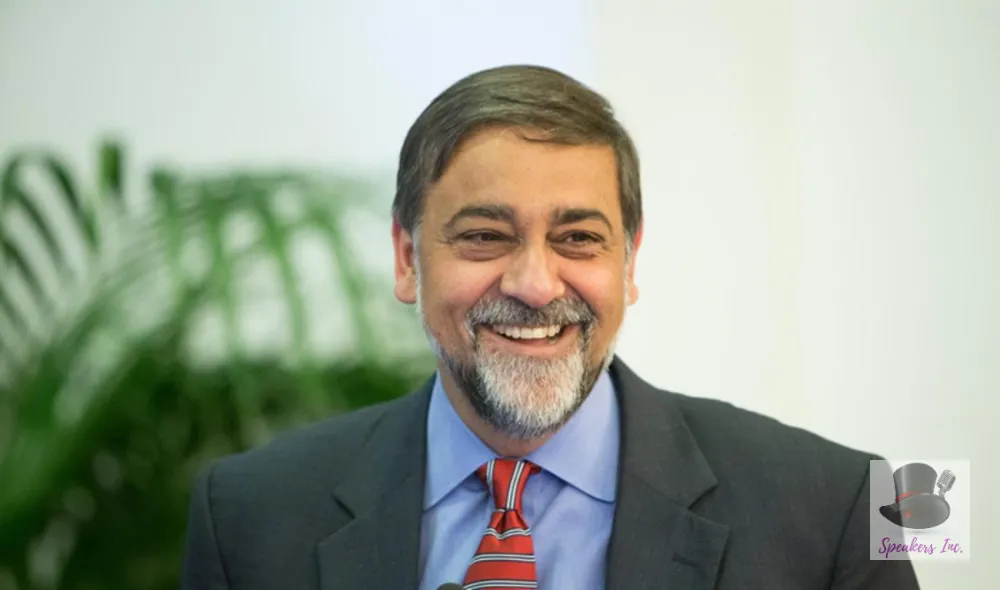
He helps leaders navigate disruption and build future-ready strategies.
- Technology AI Futurist
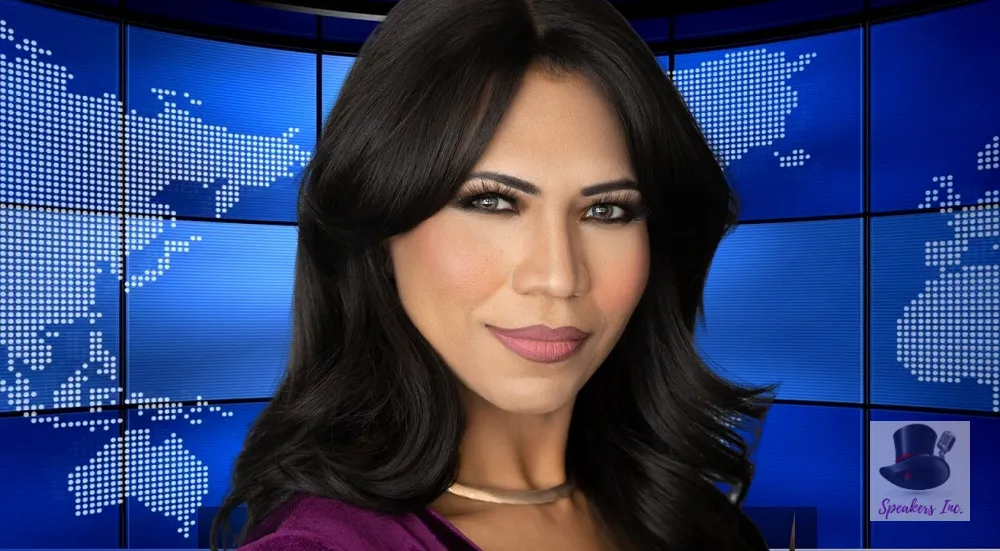
She uses science and AI to help leaders think and act boldly.
- Former NASA Scientist
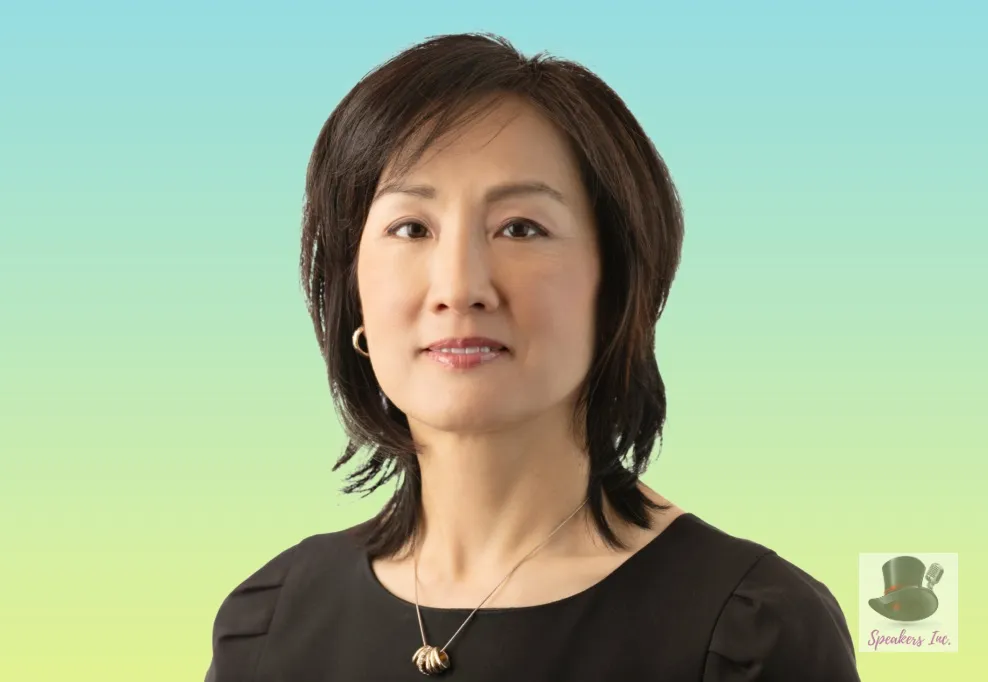

Challenges thinking on marketing, AI, and digital transformation.
- AI Global Futurist
Helps organizations turn disruption into opportunity through future-focused strategy.
- Futurist Trends
She helps leaders harness AI responsibly and drive human-centered innovation.
- Artificial Intelligence
She exposes AI bias and drives ethical, human-centered innovation.
- AI Expert
She helps organizations innovate boldly and rethink what’s possible for growth.
- Digital Disruption
No results available
Disclaimer
These remain the property of its owner and are not affiliated with or endorsed by Speakers Inc.
Fee Range Information
All talent fees exclude travel and accommodation where required.