
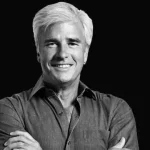
Carolina Caro, CSP: Leadership Expert
Leadership expert, keynote speaker, and creator of The Unlearning Advantage® Carolina Caro helps organizations transform identity, shift behavior, and build cultures that sustain lasting change.

Quick Facts:
- Creator of The Unlearning Advantage® framework
- Founder and CEO of Conscious Leadership Partners
- Former research scientist and corporate leader at Pfizer and Merck
- Certified Speaking Professional (CSP®) designation
Formats:
- Keynote Speaker, Leadership Strategist, and Executive Coach
Audiences:
- Executives, leadership teams, and organizations seeking deep transformation, cultural change, and sustainable performance.
Outcomes:
- Unlearn limiting behaviors that block performance
- Create identity-level shifts in leadership and culture
- Build sustainable, long-term organizational transformation
- Travels from: Los Angeles, CA
- **US Fee range: $10,000 - $15,000
Talent Services
Keynote Topics:
Next Level Leader: Unlearning What Got You Here
Leaders today are navigating more change and more pressure to perform with fewer resources and less runway. The playbook that worked in a more predictable environment, adding skills, scaling effort, driving harder, is no longer sufficient for the landscape they’re leading in now. What this moment demands is unlearning.
The behaviors that built their success: speed, expertise, self-sufficiency, were strengths for the environment that shaped them. That environment has changed. The identity patterns underneath those behaviors haven’t. And the gap between who a leader has been and who this moment is asking them to become is where performance stalls, teams disengage, and potential gets left on the table.
Most leadership development works at the level of behavior. And behavior change rarely holds when the identity driving it hasn’t shifted. Real transformation requires going deeper.
This keynote gives leaders a science-based framework for identifying the outdated identity patterns underneath their behavior and a repeatable practice for letting them go, so they can lead in a way that meets the complexity of right now.
What Your Leaders Will Walk Away With
- Recognize the conditioned patterns driving their behavior and what it’s costing them
- Apply the POCA® Model for Unlearning to interrupt patterns in real time and lead from intention
- Shift from performing leadership to embodying it, and change what becomes possible for everyone around them
Ideal For
Emerging leaders, high-potential professionals, senior leaders navigating increased complexity. Particularly powerful for multigenerational leadership audiences navigating the collision of different leadership identities, expectations, and definitions of success.
Unlearning for Teams
Aligned by Design: How Unlearning Builds Teams That Move as One
Every team carries invisible dynamics that shape how it performs: the unspoken competition between functions, the self-protection that surfaces in high-stakes meetings, the approval-seeking that slows decisions, the blame that emerges under pressure. Silent in the design of a team and decisive in the performance of one.
Over time these patterns calcify. Workarounds become operating models and personality clashes become systemic divides. These identities exist within teams and across them, built around separate priorities and definitions of success, quietly working against the enterprise. And the gap between a team that collaborates and a team that truly moves as one grows wider.
This keynote gives teams a shared language and the POCA® Model for Unlearning to surface what’s limiting their alignment and create the identity shift that lets them move as one.
What Your Teams Will Walk Away With
- Recognize the conditioned patterns driving team dynamics and what they are costing the enterprise
- Apply the POCA® Model for Unlearning to interrupt misalignment in real time and shift to intentional collaboration
- Build a shared identity, shared rhythm, and one agenda that lets the team perform as one
Ideal For
People leaders, functional heads, project leads, and cross-functional teams navigating complexity, organizational change, or the pressure to perform with greater speed and alignment.
Unlearning for Culture Change
Culture Forward: How Unlearning Builds the Culture Your Future Demands
Organizations are exceptionally good at adding to their culture: new values, new initiatives, new programs designed to shift how people work together. What no one removes accumulates just as fast. Legacy ways of deciding, legacy definitions of success, legacy leadership behaviors built for a different size, a different market, a different era, become the gravitational pull that keeps a culture where it is.
Culture change stalls when the patterns underneath it go unexamined. Initiatives land without traction. Behavior shifts briefly and snaps back. The culture an organization aspires to and the one it actually lives are separated by outdated identity. Those patterns exist at every level and they pull in one direction: back toward what is familiar. This is identity inertia and it demands unlearning.
This keynote gives leaders the clarity to see the legacy patterns shaping their culture and the POCA® Model for Unlearning to begin dismantling them. Culture change becomes identity, embedded in how people think, decide, and lead every day.
What Your Leaders Will Walk Away With
- Identify the institutional patterns quietly anchoring the organization to the past and what they are costing the culture
- Apply the POCA® Model for Unlearning to surface legacy patterns and begin shifting them
- Build a foundation for culture change that is embedded in everyday decisions and leadership practices
Ideal For
C-suite leaders, senior executives, culture and people officers, transformation teams, and leadership groups focused on building a culture that shows up in everyday decisions and interactions, not just in the values on the wall.
Talent Short Bio
Carolina Caro is a globally recognized leadership expert, keynote speaker, and CEO of Conscious Leadership Partners, known for her groundbreaking framework, The Unlearning Advantage®. Her work helps leaders and organizations achieve lasting transformation by addressing the root cause of change failure: deeply ingrained patterns of behavior and identity.
After years of working with C-suite executives, Carolina identified a critical gap in traditional leadership development. While organizations invest heavily in new skills, real change often fails because leaders revert to old habits under pressure. Her approach focuses on identity-level transformation—enabling leaders to unlearn limiting patterns and create sustainable shifts in how they think, lead, and perform.
Carolina’s perspective is shaped by a unique career journey. She began as a research scientist and held leadership roles at Pfizer and Merck before making a bold transition into acting, training at the Neighborhood Playhouse in New York. This personal reinvention informs her work, giving her rare credibility in guiding others through meaningful change.
Videos
Interest to Book? Send us your enquiry
No reviews available for this post.
Talent Resources - must be logged in to download file
Talent FAQ's
Do speakers charge a flat fee or by the hour?
Speaker fees can vary depending on factors such as expertise, demand, and event specifics. While some speakers may charge a flat fee for their services, others may have hourly rates. It’s best to discuss fee structures directly with the speaker or their representative to understand the pricing model.
What is the typical duration of a keynote speech and what is included?
Keynote speeches typically range from 30 to 90 minutes, with the duration determined by the speaker’s expertise, the event’s agenda, and audience preferences. Keynote speeches often include a combination of inspirational stories, practical insights, and actionable advice tailored to the event’s theme or objectives.
Does the scale of the event and audience size affect a speaker’s fee?
The scale of the event and audience size can indeed impact a speaker’s fee. Larger events with a broader reach or higher attendance may command higher fees due to increased exposure and demand. Conversely, smaller events or niche audiences may offer opportunities for more flexible pricing arrangements.
Travel expenses and other costs
Travel expenses such as transportation, accommodation, and meals are typically negotiated separately from the speaker’s fee. These costs vary depending on the speaker’s location, travel distance, and event duration. It’s important to clarify travel arrangements and expenses during the booking process to avoid misunderstandings.
Deposits and securing a booking
Many speakers require a deposit to secure a booking, with the remaining balance due closer to the event date. Deposits are often non-refundable and serve as a commitment from both parties. It’s advisable to discuss deposit requirements and payment terms with the speaker or their representative when finalizing the booking.
Additional tips and takeaways
- Virtual speaking appearances are a cost-effective alternative to high speaking fees, often 10-50% cheaper than in-person rates.
- There is typically no difference in fee for a 15-minute speech versus a 60-minute speech.
- Some motivational speakers are open to discounting their fee if hired for more than one event by the same organization.
- When browsing speakers, consider their location to keep travel costs down.
- Personal connections to your organization or event location can increase your chances of securing a renowned speaker.
- Be upfront about your needs and expectations to ensure a successful partnership.
- Speaker bureaus like Speakers Inc help guide you through the booking process to negotiate the best deal with favorable terms.
Ready to find the perfect speaker for your event? Use our advanced search feature or contact us to get started today!
Disclaimer
These remain the property of its owner and are not affiliated with or endorsed by Speakers Inc.
Fee Range Information
All talent fees exclude travel and accommodation where required.