
Nina Schick: Artificial Intelligence
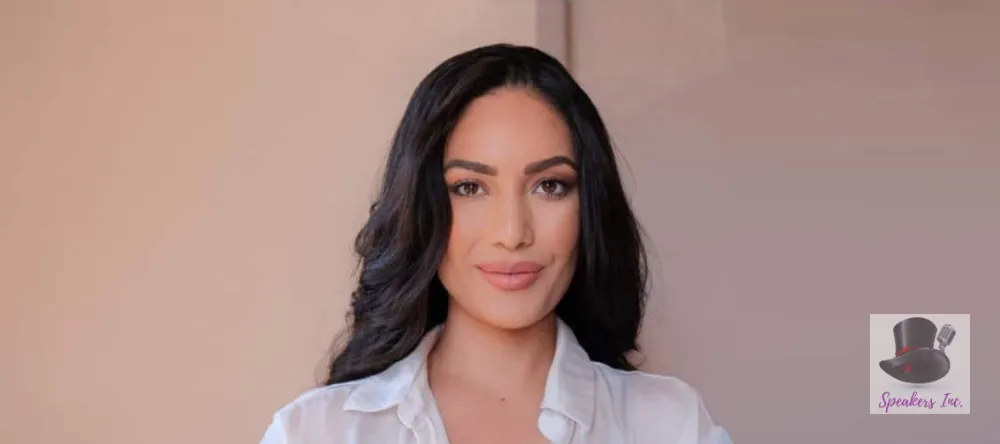
Nina Schick is a globally recognized AI expert, keynote speaker, and author who decodes generative AI, deepfakes, and the future of trust in the digital age.
Quick Facts:
- Global keynote speaker on AI, deepfakes and disinformation
- Author of Deepfakes: The Coming Infocalypse
- Advisor to world leaders including Joe Biden and NATO leadership
- Founder of Tamang Ventures focused on AI strategy
- Formats:
- Keynote Speaker and AI Strategist
- Audiences:
- Executives, policymakers, cybersecurity leaders and organizations navigating AI adoption, digital risk and information integrity
- Outcomes:
- Understand deepfake and misinformation threat vectors.
- Build rapid detection and response checklists.
- Create policies and comms strategies to protect brand trust.
- Travels from: London, UK
- **US Fee range: $100,000 - $250,000
Talent Services
Keynote Topics:
Potential Topics
- Harnessing the Power of AI for Strategic Leadership: Exploring how C-suite executives can integrate AI into their strategic vision to drive business growth and innovation.
- Future-Proofing Your Organization for the AI-Driven Age: Preparing leaders to anticipate and adapt to the rapid advancements in AI technology.
- Decoding the Tectonic Shifts in Business Due to AI: Understanding how AI is fundamentally transforming industries and what leaders can do to stay ahead.
- Exponential Trends in AI Development: Identifying and leveraging the key trends that are accelerating AI progress and how they impact various sectors.
- National Competitiveness in the AI Era: Discussing the critical role of political and corporate leadership in maintaining national and economic competitiveness through AI mastery.
- Geopolitical and Macroeconomic Impacts of AI: Analyzing how AI is reshaping global markets and the strategic implications for businesses and governments.
- Transforming Business Models with AI: Encouraging leaders to challenge traditional models and embrace innovative approaches powered by AI.
- Empowering Globalists, Innovators, and Visionaries with AI: Providing cognitive tools and insights for driving transformation and achieving sustainable growth in an AI-integrated world.
- Leadership in the Age of Human-AI Symbiosis: Exploring the evolving relationship between humans and AI, and how leaders can foster a productive and ethical coexistence.
- Opportunities Amid AI-Driven Disruption: Helping leaders identify and capitalize on the opportunities that arise from AI-induced changes in their industries and markets
Talent Short Bio
Nina Schick is a world-leading authority on artificial intelligence, deepfakes, and the transformation of information ecosystems. A political scientist and strategist by training, she has advised global leaders including President Joe Biden and NATO Secretary General Jens Stoltenberg on disinformation, election security, and emerging technologies.
As the author of Deepfakes: The Coming Infocalypse, Schick was among the first to warn of synthetic media’s potential to disrupt democracy, media, and business. She is also founder of Tamang Ventures, where she helps organizations navigate both the risks and opportunities of generative AI.
Regularly featured on CNN, BBC, Bloomberg, and in The New York Times, Schick translates complex topics into actionable insights. She has spoken at global forums including the World Economic Forum, TEDx, and international cybersecurity summits. Her talks empower leaders to adopt AI responsibly, safeguard trust, and understand how exponential technological change is reshaping societies and markets.
Talent Videos
Nina Schick on Generative AI: Acceleration, Regulation, and the Future of Content
Nina Schick explains why generative AI will power most digital content, how policy will respond, and what leaders should do now.
Video Summary & Key Moments
In this interview, Nina Schick argues that 2023 marks an inflection point for generative AI. Tools like ChatGPT have captured public attention, but she frames them as early interfaces to a broader wave of models that can generate text, images, audio, and video. She expects valuations across the space to rise and new applications to become universal across industries.
Nina revisits a prediction that AI will generate the majority of online content and now moves the timeline forward. Given exponential progress, she believes the internet could reach about 90 percent AI generated content much sooner than 2030. That reality will force rapid responses from educators, enterprises, and policymakers.
Regulation will lag innovation, so she expects 2023 and beyond to bring a more serious policy conversation. Key questions include how to govern foundational models, whether open source development should remain accessible, and how to balance augmentation of human work with fears of automation. She anticipates the European Union to take early steps through comprehensive AI regulation.
On education and copyright, Nina notes that plagiarism concerns are already visible, as students test ChatGPT for essays. In creative domains, training sets and the ability to imitate artist styles raise consent and compensation issues. She stresses that these systems are tools, yet their capabilities will evolve quickly, making today’s interfaces seem quaint by year end.
Competition will intensify. Big tech firms have data, talent, and research pipelines to launch their own generative tools, while partnerships and investments with newer players will continue. Microsoft’s stake in OpenAI is one signal, but she expects Google and others to unveil significant products. The strategic questions for leaders are where to adopt, how to govern, and how to prepare for content, search, and workflow changes.
Her bottom line: treat generative AI as a new communications infrastructure. Plan for rapid capability gains, build governance around IP and safety, and focus on human augmentation to unlock value while addressing legitimate risks.
Key Moments
00:00 – Why ChatGPT is a gateway to a broader generative AI wave
01:10 – Most digital content will be AI generated sooner than expected
02:20 – Policy response begins to take shape and will lag innovation
03:20 – Open source vs proprietary models and control of foundation models
04:25 – Education, plagiarism, and copyright concerns
05:35 – Acceleration ahead makes current tools look quaint
06:20 – Big tech and new entrants prepare competing product plays
07:20 – Action items for leaders on adoption and governance
Owning Your Style: Nina Schick in conversation with Dan Li on Generative AI
Nina Schick hosts Dan Li to unpack how generative AI will dominate digital content and why provenance and personal style engines will define the next era.
Video Summary & Key Moments
Nina Schick opens by framing generative AI as a tipping point for human creativity and the digital ecosystem. She defines generative AI as systems that autonomously create text, images, audio, and video, and updates a bold prediction: by 2025, the majority of digital content online could be AI generated. That scale forces new thinking on policy, authenticity, and business models.
Guest Dan Li recounts building earlier AI companies and noticing cultural moments that signaled a shift, like viral synthetic music. He highlights the explosion of developers and users building with open tools and argues that creation barriers have collapsed. Li introduces Vermilio, a platform that combines generative models with blockchain to record authorship and lineage for every synthetic output. The goal is to authenticate origin, track derivatives, and enable creators to benefit as their work inspires new works.
Central to Vermilio is the idea of a personal style engine. Instead of platforms owning aesthetics, individuals define and own their creative style, then generate original outputs with simple prompts. Nina probes artist concerns about imitation and IP. Li responds that provenance and transparent attribution are the foundation for ethical participation and healthy creator economies. With verifiable lineage, artists can engage fans, license styles, and share in downstream value.
They preview Vermilio’s launch styles, from action figures to vintage comics and digital goods like sneakers, connecting this to a fast-growing market for virtual merchandise. Li expects text-to-video capabilities to follow quickly, pushing premium content creation to billions with smartphones. Both emphasize urgency. Without open, portable provenance, closed platforms or states could centralize control of generative engines. An open verification layer enables interoperability, user ownership, and trust across ecosystems.
The conversation closes on use cases for brands and institutions: disclose synthetic media, adopt provenance standards, pilot creator tools with consentful datasets, and design policies that prefer augmentation and inclusion over exclusion.
Key Moments
00:00 – Opening context and why generative AI is a human-scale inflection point
01:05 – Definition of generative AI across text, image, audio, video
02:10 – Updated forecast: most online content AI generated by 2025
03:20 – Dan Li’s entry into the space and signals from synthetic culture
05:15 – Scale of developer and user adoption, barriers to creation collapse
06:40 – Introducing Vermilio: provenance, authorship, and derivative lineage
08:20 – Personal style engines and user-owned aesthetics
10:05 – Artist concerns, IP, and transparent attribution
12:00 – Launch styles, digital goods, and the virtual merchandise boom
13:30 – Roadmap to text-to-video and premium creation on smartphones
15:00 – Why open provenance matters for interoperability and trust
16:20 – Action steps for brands, educators, and policy teams to adopt responsibly
Interest to Book? Send us your enquiry
No reviews available for this post.
Talent FAQ's
Do speakers charge a flat fee or by the hour?
Speaker fees can vary depending on factors such as expertise, demand, and event specifics. While some speakers may charge a flat fee for their services, others may have hourly rates. It’s best to discuss fee structures directly with the speaker or their representative to understand the pricing model.
What is the typical duration of a keynote speech and what is included?
Keynote speeches typically range from 30 to 90 minutes, with the duration determined by the speaker’s expertise, the event’s agenda, and audience preferences. Keynote speeches often include a combination of inspirational stories, practical insights, and actionable advice tailored to the event’s theme or objectives.
Does the scale of the event and audience size affect a speaker’s fee?
The scale of the event and audience size can indeed impact a speaker’s fee. Larger events with a broader reach or higher attendance may command higher fees due to increased exposure and demand. Conversely, smaller events or niche audiences may offer opportunities for more flexible pricing arrangements.
Travel expenses and other costs
Travel expenses such as transportation, accommodation, and meals are typically negotiated separately from the speaker’s fee. These costs vary depending on the speaker’s location, travel distance, and event duration. It’s important to clarify travel arrangements and expenses during the booking process to avoid misunderstandings.
Deposits and securing a booking
Many speakers require a deposit to secure a booking, with the remaining balance due closer to the event date. Deposits are often non-refundable and serve as a commitment from both parties. It’s advisable to discuss deposit requirements and payment terms with the speaker or their representative when finalizing the booking.
Additional tips and takeaways
- Virtual speaking appearances are a cost-effective alternative to high speaking fees, often 10-50% cheaper than in-person rates.
- There is typically no difference in fee for a 15-minute speech versus a 60-minute speech.
- Some motivational speakers are open to discounting their fee if hired for more than one event by the same organization.
- When browsing speakers, consider their location to keep travel costs down.
- Personal connections to your organization or event location can increase your chances of securing a renowned speaker.
- Be upfront about your needs and expectations to ensure a successful partnership.
- Speaker bureaus like Speakers Inc help guide you through the booking process to negotiate the best deal with favorable terms.
Ready to find the perfect speaker for your event? Use our advanced search feature or contact us to get started today!
You may be interested in...
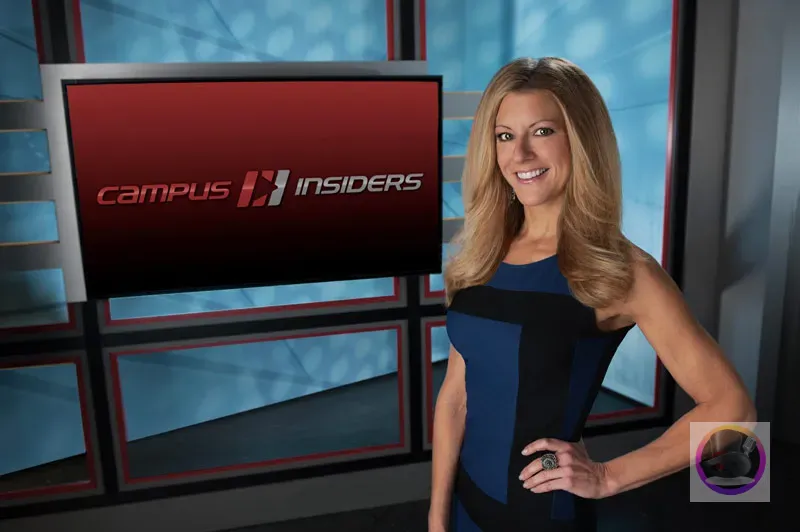
She brings sports expertise, media leadership, and engaging audience connection.
- Motivational Journalist
- (4 reviews)
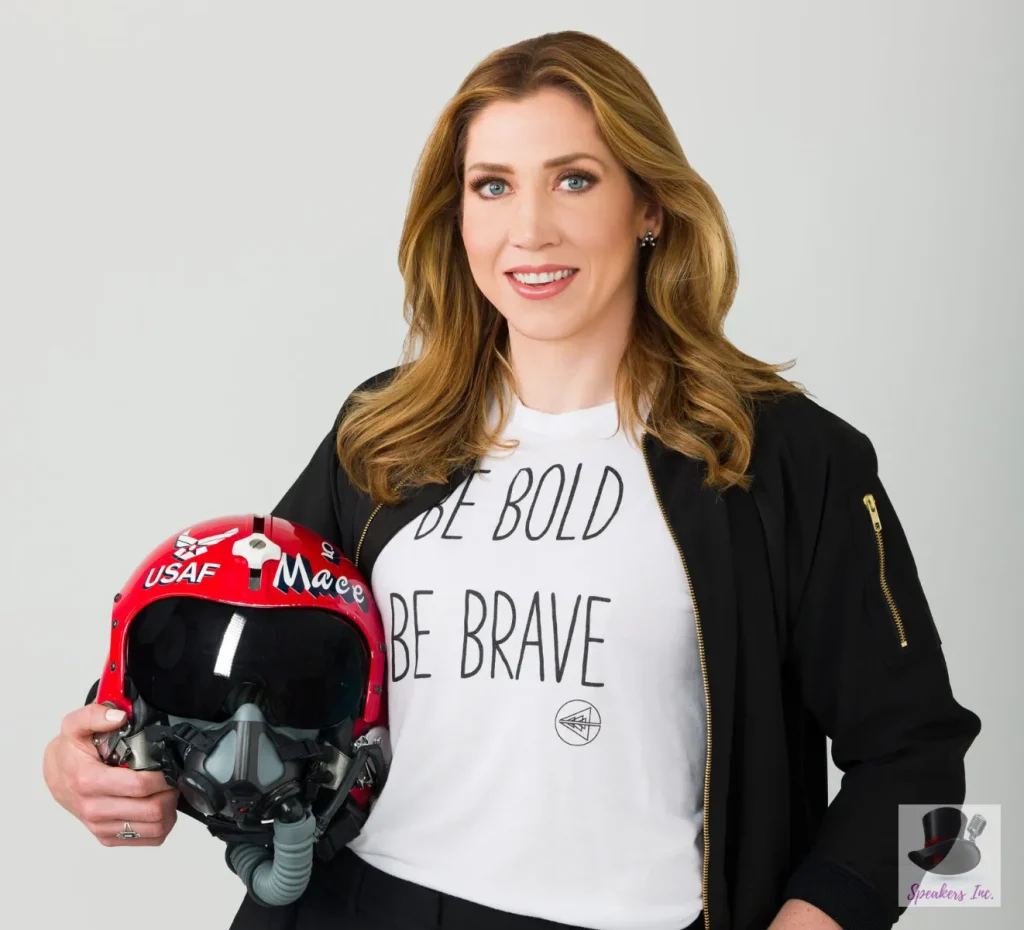
She inspires confidence and resilience through aviation and leadership stories
- Inspirational Speaker
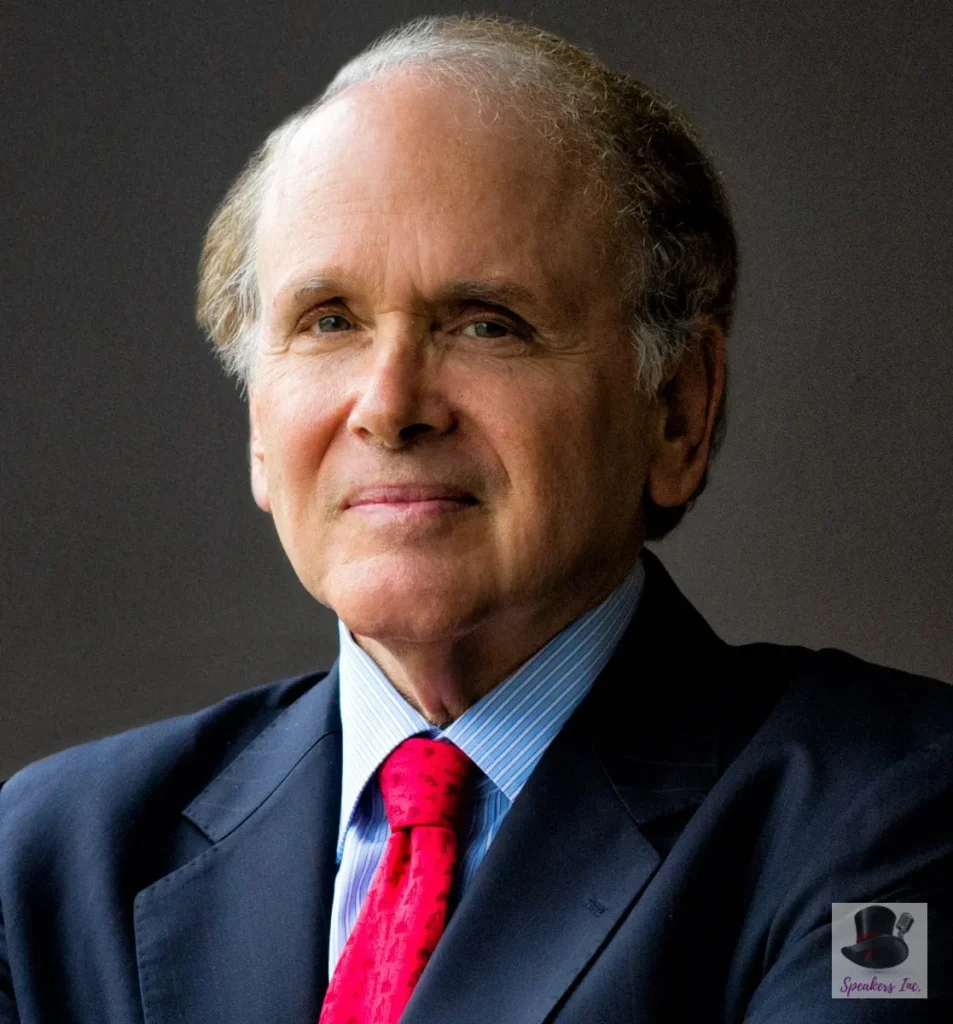
Decoding the forces shaping energy, markets, and global power.
- Energy & Geopolitics

- (4 reviews)
- Pricing Strategist
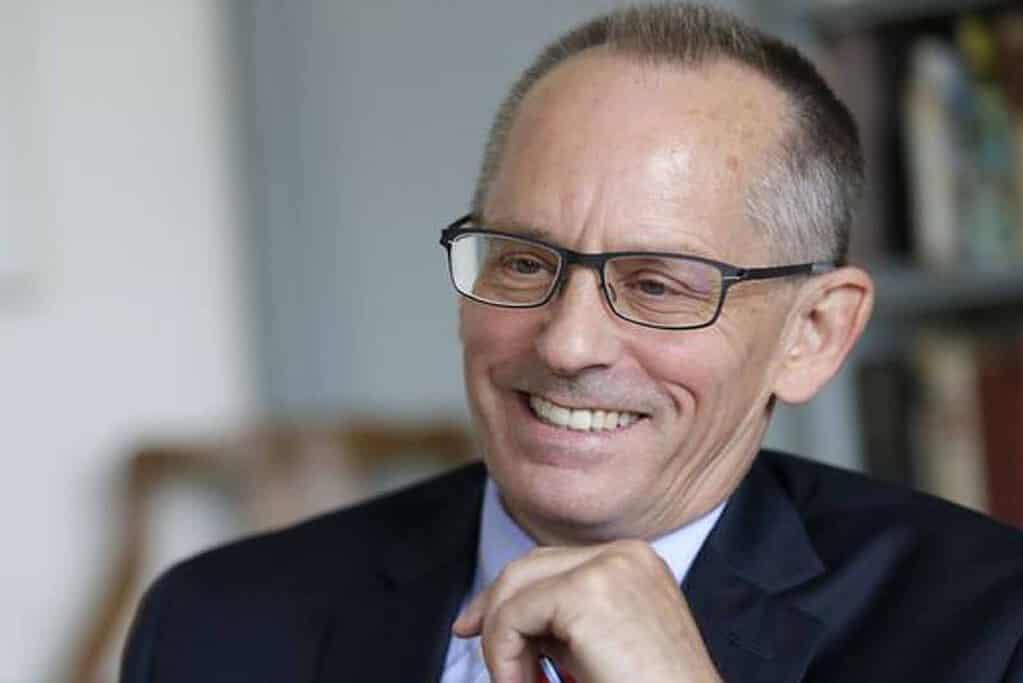

He helps brands stand out, build loyalty, and outperform competitors.
- Customer Experience
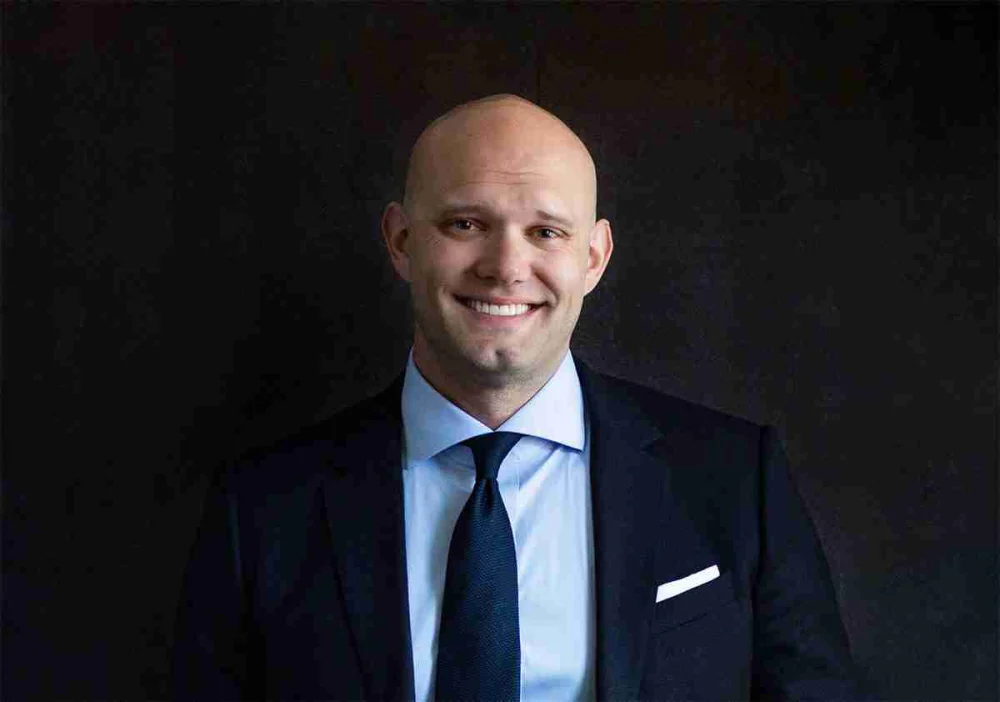
- Atomic Habits
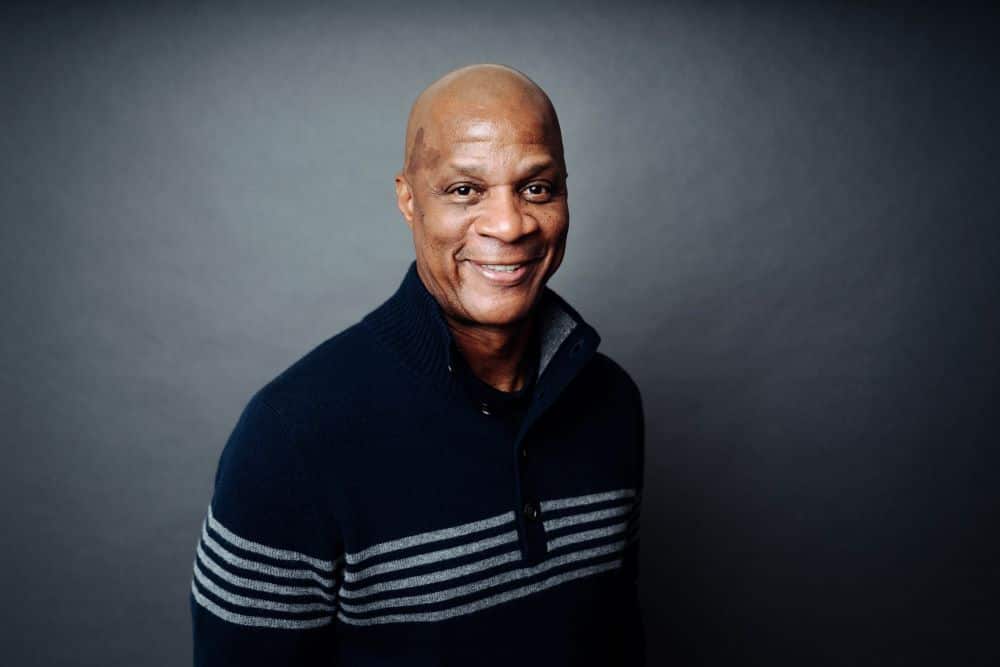
No results available
Disclaimer
These remain the property of its owner and are not affiliated with or endorsed by Speakers Inc.
Fee Range Information
All talent fees exclude travel and accommodation where required.