

Sebastian Thrun: Generative AI
Artificial intelligence pioneer and robotics visionary Sebastian Thrun applies AI, autonomous systems, and education innovation to transform transportation, learning, and how humans understand the world.
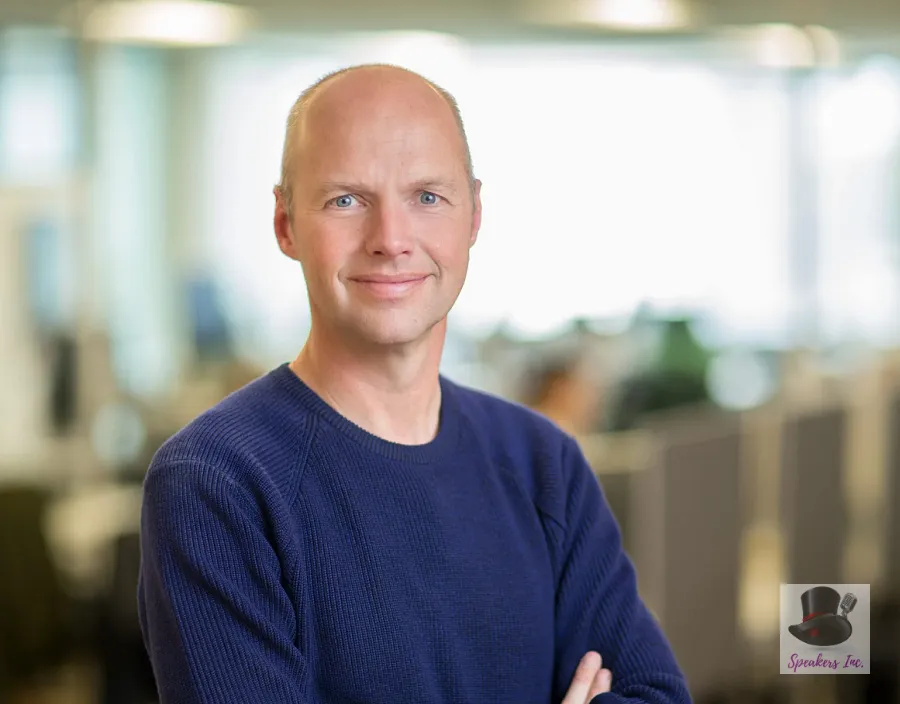
Quick Facts:
- Founder of Google X, origin of multiple world-changing moonshot projects
- Leader of the first autonomous vehicle to win the DARPA Grand Challenge
- Co-founder and CEO of Udacity, redefining online technical education
- Pioneer in self-driving car development and applied machine learning
- Formats:
- Keynote speaker and technology visionary
- Audiences:
- Business leaders, policymakers, educators, engineers, and organizations exploring the future of AI, autonomy, and workforce transformation
- Outcomes:
- Clear understanding of how AI and robotics reshape industries
- Insight into moonshot innovation and scaling breakthrough ideas
- Practical perspective on education reform and future-ready skills
- Travels from: San Francisco, CA
- **US Fee range: On Request
Talent Services
Keynote Topics:
The Future of AI & Robotics
This topic would cover the latest advancements in artificial intelligence and robotics, their societal impact, and future applications across various industries. It could include insights from his work on self-driving cars and other AI-driven technologies.
Disruptive Innovation & Entrepreneurship: Lessons from Google X and Beyond
Thrun can share candid insights into fostering a culture of innovation, leading high-risk ventures, and the mindset required to build technologies that were once thought impossible, drawing from his experiences at Google X and his entrepreneurial endeavors.
The Evolution of Education & Lifelong Learning
This topic would explore how technology, particularly AI, is transforming education, the concept of accessible learning through platforms like Udacity, and the importance of continuous skill development in a rapidly changing world.
Talent Short Bio
Sebastian Thrun is a globally recognized artificial intelligence researcher, roboticist, and technology entrepreneur whose work has reshaped transportation, education, and applied AI. Formerly a fully tenured professor at Stanford University, Thrun left academia in 2007 to become a Vice President and Fellow at Google, where he founded Google X, the company’s moonshot factory.
Under his leadership, Google X produced breakthrough initiatives including self-driving cars, Google Glass, Project Loon, medical contact lenses, indoor localization technologies, and the early home of the Google Brain Project. Earlier, Thrun led the team that developed Stanley, the autonomous vehicle that won the DARPA Grand Challenge in 2005, now exhibited at the Smithsonian Institution. His team later placed second in the DARPA Urban Challenge with the vehicle Junior, directly influencing the creation of Google’s self-driving car program.
Today, Thrun remains a research professor at Stanford while serving as CEO and co-founder of Udacity, where he pioneered nanodegrees to democratize access to cutting-edge technology education and employment pathways. His career bridges research excellence with real-world impact at global scale.
Videos
Interest to Book? Send us your enquiry
No reviews available for this post.
Talent FAQ's
Do speakers charge a flat fee or by the hour?
Speaker fees can vary depending on factors such as expertise, demand, and event specifics. While some speakers may charge a flat fee for their services, others may have hourly rates. It’s best to discuss fee structures directly with the speaker or their representative to understand the pricing model.
What is the typical duration of a keynote speech and what is included?
Keynote speeches typically range from 30 to 90 minutes, with the duration determined by the speaker’s expertise, the event’s agenda, and audience preferences. Keynote speeches often include a combination of inspirational stories, practical insights, and actionable advice tailored to the event’s theme or objectives.
Does the scale of the event and audience size affect a speaker’s fee?
The scale of the event and audience size can indeed impact a speaker’s fee. Larger events with a broader reach or higher attendance may command higher fees due to increased exposure and demand. Conversely, smaller events or niche audiences may offer opportunities for more flexible pricing arrangements.
Travel expenses and other costs
Travel expenses such as transportation, accommodation, and meals are typically negotiated separately from the speaker’s fee. These costs vary depending on the speaker’s location, travel distance, and event duration. It’s important to clarify travel arrangements and expenses during the booking process to avoid misunderstandings.
Deposits and securing a booking
Many speakers require a deposit to secure a booking, with the remaining balance due closer to the event date. Deposits are often non-refundable and serve as a commitment from both parties. It’s advisable to discuss deposit requirements and payment terms with the speaker or their representative when finalizing the booking.
Additional tips and takeaways
- Virtual speaking appearances are a cost-effective alternative to high speaking fees, often 10-50% cheaper than in-person rates.
- There is typically no difference in fee for a 15-minute speech versus a 60-minute speech.
- Some motivational speakers are open to discounting their fee if hired for more than one event by the same organization.
- When browsing speakers, consider their location to keep travel costs down.
- Personal connections to your organization or event location can increase your chances of securing a renowned speaker.
- Be upfront about your needs and expectations to ensure a successful partnership.
- Speaker bureaus like Speakers Inc help guide you through the booking process to negotiate the best deal with favorable terms.
Ready to find the perfect speaker for your event? Use our advanced search feature or contact us to get started today!
You may be interested in...

Explores how humans connect with robots and future technology ethics.
- Robotics Expert

- (2 reviews)
He delivers clean corporate humor with impactful business insights.
- Motivational Comedian
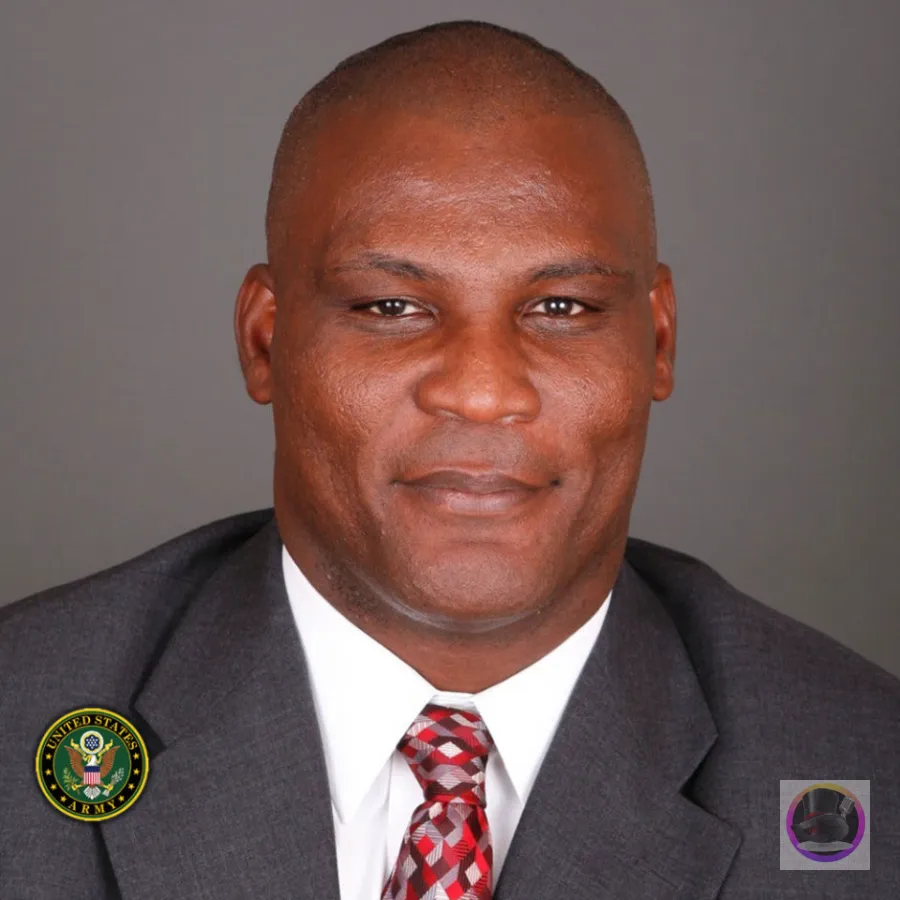
He inspires resilience, teamwork, and courage through extraordinary life experiences.
- Army Commander

He brings authentic Latin energy and unforgettable music experiences to every event.
- Conference DJ

- Current Affairs

Discover how belief and mentorship inspire lasting personal and team success.
- Coach who Inspired Ted Lasso

Discover hope, resilience, and healing through extraordinary courage and purpose.
- Inspirational Speaker

Helping leaders create happier, stronger, and more successful cultures.
- Happiness Speaker
No results available
Disclaimer
These remain the property of its owner and are not affiliated with or endorsed by Speakers Inc.
Fee Range Information
All talent fees exclude travel and accommodation where required.