

Jacob Morgan: Futurist Speaker
Futurist and leadership keynote speaker Jacob Morgan helps organizations navigate the future of work with research-driven insights on employee experience, innovation, and next-generation leadership.

Quick Facts:
- hree-time bestselling author
- Global authority on leadership and the future of work
- Author of The Employee Experience Advantage and The Future of Work
- Founder of Future of Work University
- Formats:
- Keynote speaker, futurist, and workplace innovation strategist
- Audiences:
- Executives, HR leaders, innovators, teams, and organizations preparing for technological disruption, workplace transformation, and future-focused leadership
- Outcomes:
- Develop leadership capabilities for a rapidly changing world
- Improve employee experience and organizational culture
- Understand the trends reshaping work and business
- Travels from: Calabasas, CA
- **US Fee range: $20,001 - $35,000
Talent Services
Keynote Topics:
The experiential organization
How The Best Organizations Are Winning the War for Talent and Crushing the Competition
Investment in employee engagement has never been higher yet scores have never been lower, how can that be the case?
For decades we have been investing in short-term “adrenaline shot” programs such free food or work from home Friday’s with no impact for employees or the organization.
Instead of forcing people into outdated workplace practices the world’s top companies are redesigning work around their people by focusing on three environments: culture, technology, and the physical workspace.
Based on Jacob Morgan ongoing research of 252 organizations, he will share why employee experience is the next big area of investment, what the top companies are doing, and how you can go about creating an Experiential Organization. The future of work is all about the employee experience.
Why and how the workplace is changing
The three employee experience environments: culture, physical space, and technology
Employee experience vs employee engagement How to design and create employee experiences
What some of the world’s most forward thinking organizations are doing What employees care about most in the workplace
The Future of Leadership
Most leadership discussions and research focus on the present,however in this rapidly changing world we must focus on what it will take to be a great leader in the next 10 years.
This Jacob Morgan presentation is based on Jacob’s new groundbreaking book coming out at the end of 2019 which is based on interviews with over 100 CEOs around the world and a general population survey of thousands of people.
The outcome of this research reveals the most crucial skills and mindsets that individuals must possess if they want to be effective leaders in the future of work.
In this talk Jacob Morgan will share insights from his CEO interviews and research, along with plenty of stories, examples, and frameworks for how the audience can be great future leaders.
How The Best Organizations Are Winning the War for Talent and Crushing the Competition
Investment in employee engagement has never been higher yet scores have never been lower, how can that be the case?
For decades we have been investing in short-term “adrenaline shot” programs such free food or work from home Friday’s with no impact for employees or the organization.
Instead of forcing people into outdated workplace practices the world’s top companies are redesigning work around their people by focusing on three environments: culture, technology, and the physical workspace.
Based on Jacob’s ongoing research of 252 organizations, he will share why employee experience is the next big area of investment, what the top companies are doing, and how you can go about creating an Experiential Organization. The future of work is all about the employee experience.
Why and how the workplace is changing
- The three employee experience environments culture, physical space, and technology
- Employee experience vs employee engagement How to design and create employee experiences
- What some of the world’s most forward thinking organizations are doing What employees care about most in the workplace
Talent Short Bio
Jacob Morgan is a three-time bestselling author, keynote speaker, and globally recognized futurist who specializes in the future of work, employee experience, and leadership transformation. With over a decade of research and hundreds of interviews with CEOs and business leaders, Jacob delivers evidence-based insights that help organizations understand emerging trends shaping the workplace. His work demystifies the evolving relationship between technology, culture, and leadership, giving audiences practical frameworks for thriving in an era of rapid change.
Jacob’s books, including The Employee Experience Advantage, The Future of Work, and The Collaborative Organization, have become foundational texts for HR leaders, executives, and innovators seeking to strengthen their organizations. His newest book on the future of leadership builds on extensive research into the mindsets and skills needed for leaders to succeed in a digitally accelerated world.
As the founder of The Future of Work University, Jacob provides accessible training programs on employee experience, leadership, and future-readiness.
Talent Videos
Jacob Morgan on the Future of Work: Designing Employee Experience Through Culture, Technology, and Space
In this 18-minute keynote, futurist Jacob Morgan shares why employee experience matters more than ever and how culture, technology, and physical space shape the future of work.
Video Summary & Key Moments
In this keynote, Jacob Morgan explains how a frustrating early job experience—being sent out for his CEO’s coffee despite his education and effort—sparked his lifelong obsession with employee experience and the future of work. He notes that no one grows up dreaming of a miserable job, yet many people end up in organizations that feel like the movie “Office Space.” That disconnect, he argues, is what needs to be fixed.
Jacob describes a world where every company, no matter the size, is at risk of disruption. Emerging technologies such as big data, the cloud, automation, wearables, and the Internet of Things are transforming how, where, and why we work. But while technology races ahead, many organizations still treat work like a factory: linear, process-centric, and built on outdated assumptions that employees are expendable and managers are taskmasters.
Through an interactive exercise, he shows that simply getting people to follow instructions doesn’t make someone a leader. Every employee can be a leader, he says, but every manager must be one—and the survival of organizations depends on that shift.
Jacob challenges the idea that there is “one” future of work. Instead, he urges leaders to think in terms of multiple possible futures and to actively shape the future they want, rather than waiting for it to happen to them. He introduces a key question: what are the “side effects” of working at your organization? Just like prescription drugs, many workplaces produce harmful side effects such as stress, conflict at home, and burnout.
Key Moments
- 03:01–06:00 Disruption risk for every organization; new technologies reshaping work; interactive “stand on one leg” leadership exercise and why managers must be leaders.
- 06:01–09:30 Rethinking “the” future of work as multiple futures; mobility story of the rice farmer with a smartphone; humans vs robots and why repetitive jobs were always meant for machines.
- 09:31–13:00 The limits of traditional employee engagement; “side effects” of working at a company; why perks can’t fix outdated practices and broken environments.
- 13:01–16:00 Environment as the real differentiator between loving and hating the same job; shift from “need to work here” to “want to work here.”
Interest to Book? Send us your enquiry
No reviews available for this post.
Talent Resources - must be logged in to download file
Talent FAQ's
Do speakers charge a flat fee or by the hour?
Speaker fees can vary depending on factors such as expertise, demand, and event specifics. While some speakers may charge a flat fee for their services, others may have hourly rates. It’s best to discuss fee structures directly with the speaker or their representative to understand the pricing model.
What is the typical duration of a keynote speech and what is included?
Keynote speeches typically range from 30 to 90 minutes, with the duration determined by the speaker’s expertise, the event’s agenda, and audience preferences. Keynote speeches often include a combination of inspirational stories, practical insights, and actionable advice tailored to the event’s theme or objectives.
Does the scale of the event and audience size affect a speaker’s fee?
The scale of the event and audience size can indeed impact a speaker’s fee. Larger events with a broader reach or higher attendance may command higher fees due to increased exposure and demand. Conversely, smaller events or niche audiences may offer opportunities for more flexible pricing arrangements.
Travel expenses and other costs
Travel expenses such as transportation, accommodation, and meals are typically negotiated separately from the speaker’s fee. These costs vary depending on the speaker’s location, travel distance, and event duration. It’s important to clarify travel arrangements and expenses during the booking process to avoid misunderstandings.
Deposits and securing a booking
Many speakers require a deposit to secure a booking, with the remaining balance due closer to the event date. Deposits are often non-refundable and serve as a commitment from both parties. It’s advisable to discuss deposit requirements and payment terms with the speaker or their representative when finalizing the booking.
Additional tips and takeaways
- Virtual speaking appearances are a cost-effective alternative to high speaking fees, often 10-50% cheaper than in-person rates.
- There is typically no difference in fee for a 15-minute speech versus a 60-minute speech.
- Some motivational speakers are open to discounting their fee if hired for more than one event by the same organization.
- When browsing speakers, consider their location to keep travel costs down.
- Personal connections to your organization or event location can increase your chances of securing a renowned speaker.
- Be upfront about your needs and expectations to ensure a successful partnership.
- Speaker bureaus like Speakers Inc help guide you through the booking process to negotiate the best deal with favorable terms.
Ready to find the perfect speaker for your event? Use our advanced search feature or contact us to get started today!
You may be interested in...

It brings intelligent, human-centered robotics into everyday environments.
- Humanoid Robot

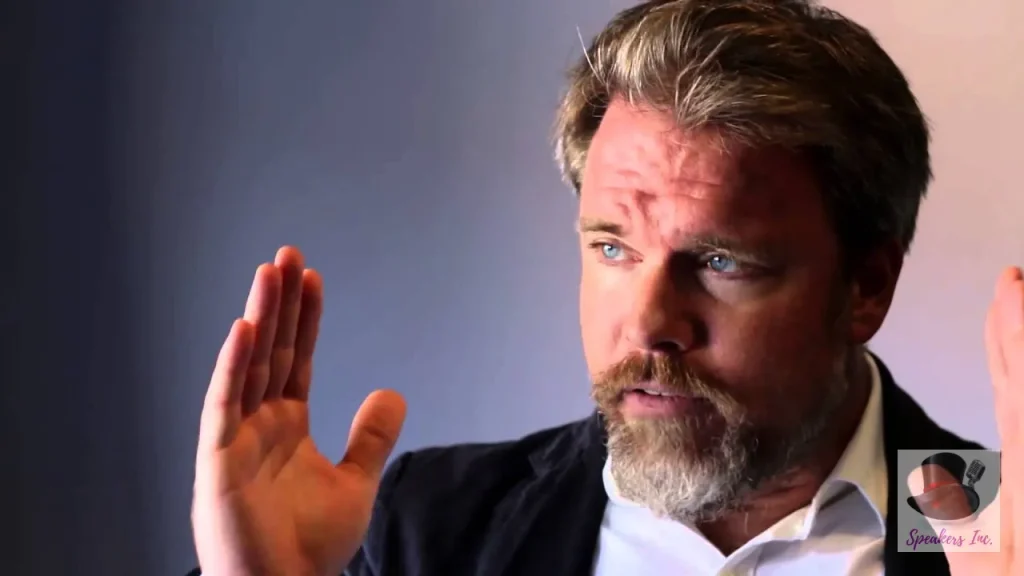
He helps cities navigate security, technology, and resilience challenges.
- Cybersecurity Speaker
- (3 reviews)
- Promoted
She helps organizations strengthen cybersecurity and build inclusive digital resilience.
- Cybersecurity

Elevating celebrations with aerial elegance, luxury, and interaction.
- Aerial Bartenders
She helps leaders perform under pressure and lead with confidence.
- Former Naval Pilot
Helping businesses become visible and impossible to ignore.
- Customer Experience

- Negotiation Speaker
No results available
Disclaimer
These remain the property of its owner and are not affiliated with or endorsed by Speakers Inc.
Fee Range Information
All talent fees exclude travel and accommodation where required.