
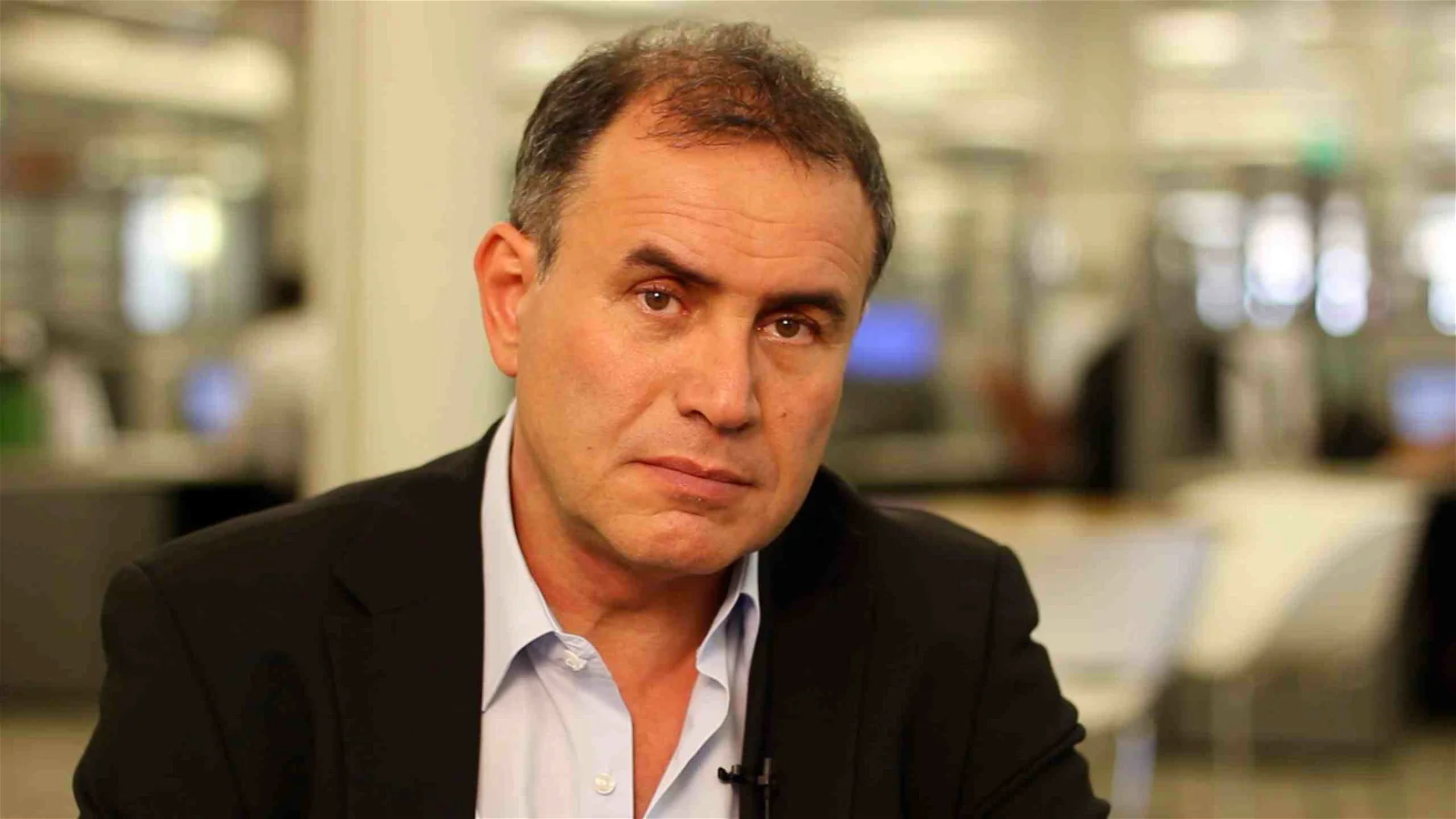
Nouriel Roubini: Global Macroeconomics
Macro economist who forecasts systemic risks and global downturns, providing scenario based strategies to stress test portfolios and protect assets.
Quick Facts:
- Expert Economist
- Global Macro Economics
Formats:
- Keynote (45–60 min); Executive Briefing; Panel; Virtual Briefing; Roundtable
Audiences:
- Leadership teams (25–150); Conference keynotes (200–2,500)
Outcomes:
- Clear worst case and baseline macro scenarios to stress test plans.
- Early warning signals to adjust liquidity, pricing, and hiring.
- Tough-minded risk mitigation steps for boards and C-suites.
- Travels from: New York, NY
- **US Fee range: On Request
Talent Services
Keynote Topics:
Upsides & Downsides in the Global Economy & Financial Markets
The outlook for the global economy and financial markets is mixed. The positives and upside include a pick-up in global growth after years of a new mediocre, profitable corporate firms, better business and consumer confidence, more optimistic investors with markets in risk-on mode, the rise of emerging markets, new technologies and innovation.
The downside are however several: uncertainties about Trumponomics, the risks of European and Eurozone disintegration, the potential for a hard landing of highly indebted China, the sluggish global growth and productivity in a world of high private and public debts, the frothiness in financial markets and the risks of assets and credit bubbles fed by easy monetary policies, the backlash against globalization and geopolitical risks.
Markets are now bullish is not bubbly but the economies are still sluggish. Roubini argues that a new policy framework is needed to minimize the downsides and maximize the upsides.
US Economic & Financial Outlook
Uncertainties remain about the economic policies of Trump and their impact on the US economy and markets. Since the presidential election investors have become bullish pushing financial markets to new highs while business and consumer confidence have risen in spite of still sluggish growth.
Investors hope that fiscal stimulus, infrastructure spending, tax reform and deregulation will boost growth and markets. A honeymoon can continue for quite a while if positive policies are properly implemented. But markets may be overestimating Trump’s ability to deliver positive policy changes and the impact of such changes on a potential growth that is kept low by longer term and structural forces.
Markets may also be underestimating some of the potential negatives of Trumponomics: protectionism and the risk of trade wars; restrictions to migration that may slow growth in an ageing society; inefficient micro-management of the decisions of the corporate sector on where to produce, invest and hire; a sub-optimal policy mix with loose fiscal policy in an economy close to full employment that will force the Fed to tighten sooner and more; that could lead to higher interest rates and a stronger dollar that will hurt jobs and growth.
Roubini argues that the jury is still out on whether Trumponomics will be more populist and protectionist or more mainstream and pragmatic, even if the latter scenario looks more likely.
Talent Short Bio
Nouriel Roubini is a prominent macroeconomist known for forecasting systemic risks and providing candid, data grounded analysis of global economic vulnerabilities. He advises institutional investors, corporate boards, and governments on how to prepare for adverse macro outcomes, including shocks tied to debt, trade, and monetary policy.
Roubini’s talks combine rigorous modeling with blunt recommendations — practical steps that help organizations strengthen balance sheets, reassess supply chains, and update contingency plans. While his perspective can be contrarian, audiences value the defensible scenarios and immediate actions he prescribes to preserve value during downturns
Videos
Interest to Book? Send us your enquiry
No reviews available for this post.
Talent FAQ's
Do speakers charge a flat fee or by the hour?
Speaker fees can vary depending on factors such as expertise, demand, and event specifics. While some speakers may charge a flat fee for their services, others may have hourly rates. It’s best to discuss fee structures directly with the speaker or their representative to understand the pricing model.
What is the typical duration of a keynote speech and what is included?
Keynote speeches typically range from 30 to 90 minutes, with the duration determined by the speaker’s expertise, the event’s agenda, and audience preferences. Keynote speeches often include a combination of inspirational stories, practical insights, and actionable advice tailored to the event’s theme or objectives.
Does the scale of the event and audience size affect a speaker’s fee?
The scale of the event and audience size can indeed impact a speaker’s fee. Larger events with a broader reach or higher attendance may command higher fees due to increased exposure and demand. Conversely, smaller events or niche audiences may offer opportunities for more flexible pricing arrangements.
Travel expenses and other costs
Travel expenses such as transportation, accommodation, and meals are typically negotiated separately from the speaker’s fee. These costs vary depending on the speaker’s location, travel distance, and event duration. It’s important to clarify travel arrangements and expenses during the booking process to avoid misunderstandings.
Deposits and securing a booking
Many speakers require a deposit to secure a booking, with the remaining balance due closer to the event date. Deposits are often non-refundable and serve as a commitment from both parties. It’s advisable to discuss deposit requirements and payment terms with the speaker or their representative when finalizing the booking.
Additional tips and takeaways
- Virtual speaking appearances are a cost-effective alternative to high speaking fees, often 10-50% cheaper than in-person rates.
- There is typically no difference in fee for a 15-minute speech versus a 60-minute speech.
- Some motivational speakers are open to discounting their fee if hired for more than one event by the same organization.
- When browsing speakers, consider their location to keep travel costs down.
- Personal connections to your organization or event location can increase your chances of securing a renowned speaker.
- Be upfront about your needs and expectations to ensure a successful partnership.
- Speaker bureaus like Speakers Inc help guide you through the booking process to negotiate the best deal with favorable terms.
Ready to find the perfect speaker for your event? Use our advanced search feature or contact us to get started today!
Disclaimer
These remain the property of its owner and are not affiliated with or endorsed by Speakers Inc.
Fee Range Information
All talent fees exclude travel and accommodation where required.