
Be a Force for Good
- Author: Lisa Orrell
Read the news article
In the wake of some of the recent Force for Good events in the world and in light of so much of what we’ve all been through the past few years, I’ve been finding it challenging to focus on the good stuff and Be a Force for Good, even though this is at the core of my approach to life and what I teach.
As I’ve been looking at this more deeply, I realize that my commitment is not necessarily to be “positive,” but to be a force for good in the world, regardless of the circumstances.
When facing challenges, I think it’s important to ask ourselves, “who do I want to be in the face of these difficulties?”
Being a force for good doesn’t mean we have to be happy or always find the silver lining. It’s more about making a commitment to ourselves and to those around us that we’ll be part of the solution instead of simply commenting on or adding to the problems themselves.
Doing this allows us to overcome challenges and obstacles and turn problems into life lessons with positive outcomes.
When the issues we’re facing are geo-political, societal, or have to do with natural disasters (as has been the case in recent years), it can often seem overwhelming.
However, how we show up, communicate, and respond to what’s happening around us in the world can have a significant and positive impact when we commit to being a force for good.
Be a Force for Good
How to be a Force for Good
Here are a few things we can do or think about in this regard right now:
1) Look for ways you can help.
Fred Rogers, one of my childhood heroes, famously said, “When I was a boy, and I would see scary things in the news, my mother would say to me, ‘Look for the helpers. You will always find people who are helping’.”
He’s right – and I always try to remember this myself.
In addition to looking for the helpers (and appreciating and honoring them), we can all be helpers in both big and small ways.
Whether we donate money, make phone calls, post, or reach out and share our good thoughts and prayers, there are always ways to help.
And being of service not only helps those we assist directly, but it’s also a way to act as a force for good, no matter the situation.
2) Be proactive with your complaints.
There are two types of complaints – idle complaints (when we whine and moan about how bad things are) and proactive complaints (when we take issue with something and proactively bring it to the attention of those who can potentially do something about it).
An excellent example of this here in our country is contacting our elected representatives – at the national, state, and local level.
Whether we voted for them or not, they work for us. Picking up the phone, writing a letter, sending an email, or posting on social media directly to one of our elected representatives and letting them know how we feel about something specific is a way we can influence change and be proactive with our complaints.
Sitting around and talking about how awful something is, which is understandable and common, especially these days, doesn’t usually make things better. But proactive complaints can be the catalyst for positive and productive change in many situations.
3) Don’t get caught up in the drama.
Over the past few years, I’ve been getting caught up in the constant drama of the daily headlines and news. It’s easy to do, especially given all that has been happening in our country and our world.
However, this usually doesn’t feel great or allow us to be a real force for good. While I think many good journalists are doing essential and courageous work, the media as a whole is set up right now to get our attention and do whatever they can to have us watch, click, and then buy what they’re advertisers are selling.
The news often leads with shock, drama, fear, and outrage, since these things grab us emotionally and get our attention. We must be mindful of how we engage the news and the media.
This constant fear/drama cycle often leads us to feel upset, discouraged, or even depressed. Sometimes the best thing we can do is unplug and look for ways to help.
4) Speak up with authenticity.
There are lots of important things going on around us these days that are calling us to speak up.
Speaking up is an important thing to do. It takes a lot of courage and can be a specific way for us to be a force for good. However, we must be authentic when we speak up.
I define authenticity as honesty – self-righteousness + vulnerability.
It’s important to be honest, but we must also remove our self-righteousness and add vulnerability (emotional exposure, risk, and uncertainty).
We can have a real impact if we’re willing to speak up authentically.
5) Focus on gratitude.
During challenges and difficulties, it’s sometimes hard to focus on gratitude. But it’s also so essential for us to do.
When we see people suffering, we can honor and support them by both acknowledging their pain and at the same time being grateful for our own blessings.
Being grateful isn’t mutually exclusive with wanting to support and be of service to those who are in need. Even during challenging times, there is always so much we can appreciate.
Even though there have been a lot of challenges, pain, loss, and trauma in our country and our world recently, we always have a choice as to how we’re going to show up, what we’re going to do, and who we’re going to be in the face of all of this.
To paraphrase the Greek philosopher, Epictetus, “Circumstances don’t define us, they reveal us.”
Our friends, co-workers, teammates, family members, and the people in our communities benefit most when we show up as authentically as we possibly can and do our best to be a true force for good.
Lisa Orrell, CPC
Looking to book this speaker for your next event?
At Speakers Inc., we connect you with the perfect speaker for your audience.
👉 Contact our team to check availability and secure your speaker
https://speakersinc.com/contact-us/speakers-inc/
👉 Watch more speaker videos on YouTube
https://www.youtube.com/@speakersincUSA/
Further articles you may enjoy:

Best Futurist Speakers for Digital Transformation Events in 2026 Booking the wrong futurist for a digital transformation event is an expensive mistake. A speaker who delivers breathless predictions about 2040 may energize a general audience for 45 minutes, then leave your leadership team with no clearer idea of what to do Monday morning. The right […]
- October 6, 2026

- (19)
How to Find a Motivational Speaker for Your Employee Engagement Event Employee disengagement is not a morale problem. It is a revenue problem. Gallup’s 2025 State of the Global Workplace report found that only 21% of employees worldwide are engaged at work, a drop from 23% the previous year. In the United States alone, that […]
- September 3, 2026

- (33)
The Most In-Demand Keynote Speaker Topics for 2026 (And What They Mean for Your Event) Corporate event planners are facing a different booking landscape in 2026. Audiences are sharper, more skeptical, and less patient with speakers who deliver polished performances without real substance. Boards want keynotes that move strategy. Attendees want talks that help them […]
- September 2, 2026
- (26)
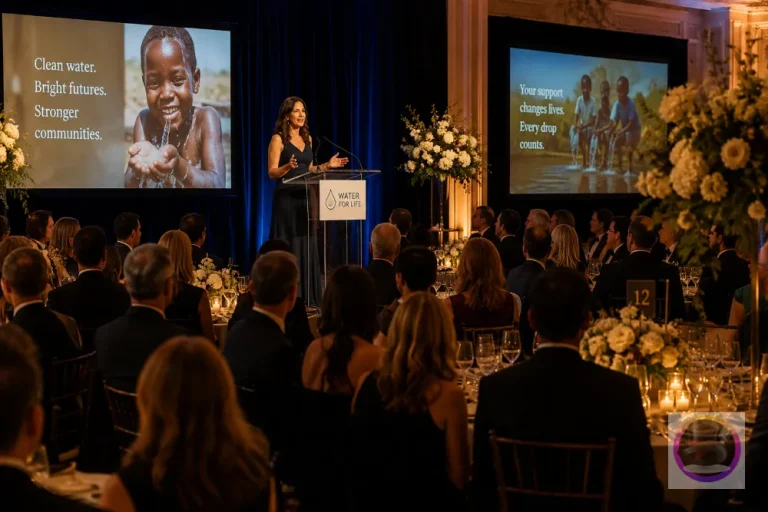
Best Motivational Speakers for a Nonprofit Annual Gala (and How to Choose the Right One) The keynote speaker at a nonprofit gala is not just a line item on the run-of-show. They are the emotional turning point of the evening. Get it right, and your guests leave inspired, connected to your mission, and ready to […]
- August 28, 2026

- (58)
Best Keynote Speakers for Tech Conferences in 2026 Introduction The best keynote speakers for tech conferences in 2026 bring more than a polished stage presence. They bring clear point of view, real-world credibility, and a talk that maps to the audience’s priorities, whether that means AI adoption, innovation strategy, digital transformation, cybersecurity, or leadership through […]
- August 18, 2026
- (21)
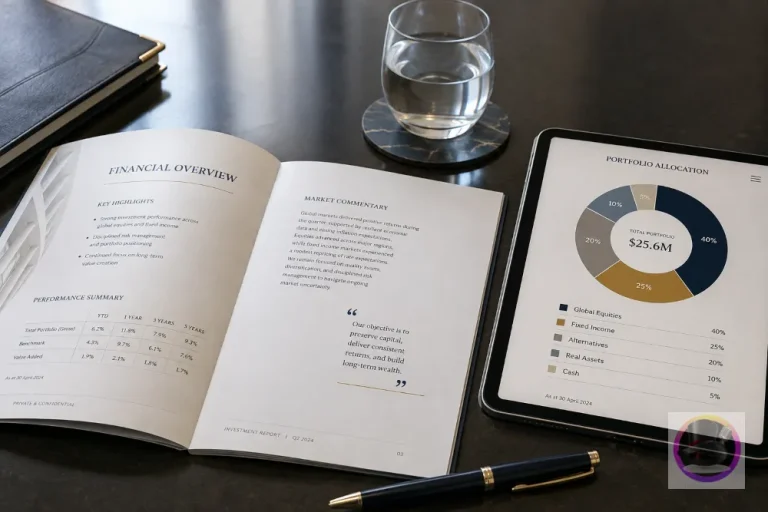
Top Finance Speakers for Financial Planning and Wealth Management Conferences Financial audiences are unforgiving. Advisors and wealth managers spend their days interpreting markets, navigating client psychology, and justifying every recommendation with data. When they sit down for a conference keynote, they expect the same rigor from the stage. A speaker who delivers generic inspiration or […]
- August 13, 2026

- (36)
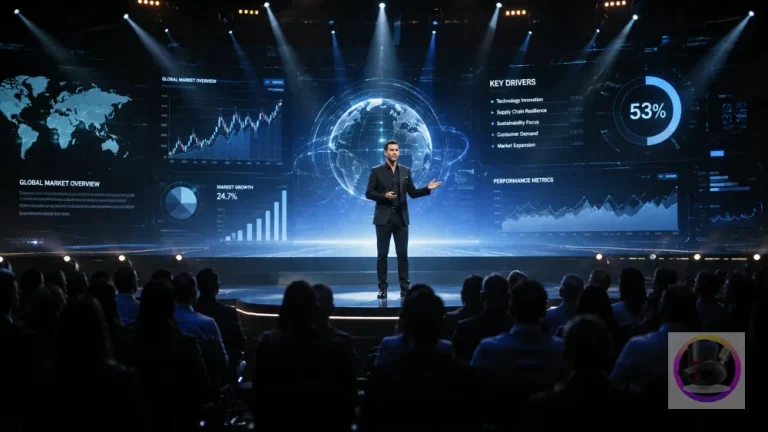
Best Digital Transformation Speakers for Events: A Speakers Inc Shortlist for 2026 Most digital transformation events get the speaker brief wrong. The instinct is to book the most impressive futurist on the circuit, someone with a big TED Talk, a polished deck full of exponential curves, and a talent for making the future sound both […]
- August 10, 2026
- (26)
Best Futurist Speakers for Digital Transformation Events Digital transformation events carry a heavy burden. Attendees arrive skeptical, overwhelmed by buzzwords, and quietly wondering whether their organization is already behind. The keynote speaker you choose sets the entire tone. Either the audience leaves energized with a clear picture of what comes next, or they leave with […]
- August 4, 2026
No results available