9 Best Futurist Speakers for digital transformation
- Author: Speakers Inc
Read the news article
Best Futurist Speakers for Digital Transformation Events in 2026
Booking the wrong futurist for a digital transformation event is an expensive mistake. A speaker who delivers breathless predictions about 2040 may energize a general audience for 45 minutes, then leave your leadership team with no clearer idea of what to do Monday morning. The right futurist does something harder: they connect the technology on the horizon to the decisions your organization needs to make right now.
The distinction that actually matters: The best futurist speakers for transformation events are not just forecasters. They are strategic translators who turn signals about AI, automation, and workforce change into frameworks your audience can act on.
This list covers nine speakers who consistently deliver that combination. Each profile identifies what they do best, which audience they are best suited for, and when to choose them over the alternatives. Whether you are building an opening keynote, a C-suite summit, or a full-day leadership program, the right fit depends on more than availability and budget.
Here is what this guide covers:
- The core criteria that separate transformation-ready futurists from generalist keynote speakers
- Nine speaker profiles with honest use-case guidance
- A quick-reference comparison table
- Questions to ask before you finalize your shortlist
What Makes a Futurist Speaker Right for Digital Transformation
Not every futurist belongs at a transformation event. The speaker circuit is full of people who are excellent at generating excitement about what is coming. That is a different skill from helping an executive audience understand what to do about it.
When evaluating futurists for a digital transformation context, prioritize speakers who demonstrate all three of the following:
1. Business Strategy Integration
The speaker connects technology trends directly to organizational decisions: operating model changes, competitive positioning, workforce restructuring, and customer experience redesign. Pure tech evangelism without business translation is a poor fit for transformation audiences.
2. AI and Automation Fluency
In 2026, any futurist speaking about digital transformation without substantive AI expertise is working with an outdated map. The most in-demand speakers on this topic understand AI not as a novelty but as an organizational challenge requiring leadership, governance, and cultural change.
3. Actionable Frameworks
The best transformation keynotes leave the audience with something to use. Whether it is a structured model for anticipating change, a decision-making framework for emerging technology, or a practical adoption roadmap, the audience should leave with more than inspiration.
A useful test: Ask the speaker’s bureau what the top three audience takeaways are. If the answer is vague or purely emotional, that speaker is better suited to a general conference than a transformation summit.
The nine speakers profiled below all clear these criteria. Their differences lie in emphasis, audience fit, and the specific transformation challenge they address most effectively.
The 9 Best Futurist Speakers for Digital Transformation Events
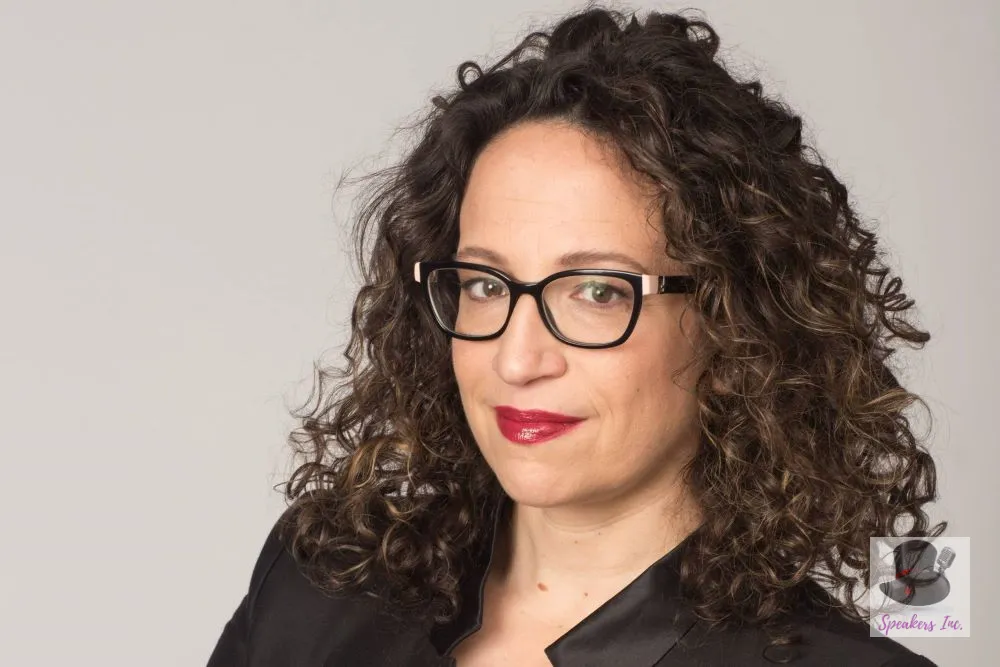
1. Amy Webb — C-Suite Strategy and Long-Range Foresight
Best for: Executive leadership summits, board-level strategy sessions, C-suite transformation programs
Amy Webb is the founder of the Future Today Institute and a professor of strategic foresight at NYU Stern. Her annual Tech Trends Report, now in its 15th year, is one of the most cited foresight documents in corporate strategy circles. Where most futurists work from intuition and narrative, Webb works from data: she uses quantitative forecasting models to map emerging technology trajectories across 10 to 20-year horizons.
Her keynotes are dense, rigorous, and deliberately challenging. She does not traffic in optimism for its own sake. That makes her the right choice when you need an audience of senior executives to take long-range technology risk seriously, not just feel good about the future.
- Signature topics: AI strategy, emerging technology forecasting, long-range scenario planning, technology governance
- Audience fit: C-suite, board members, chief strategy officers, enterprise technology leaders
- Format strength: Keynote and extended strategy workshops
- Why book her over alternatives: No other speaker on this list brings the same combination of academic rigor and corporate foresight credibility. If your event needs to shift executive mindset rather than just inform it, Webb is the strongest choice.
2. Brian Solis — AI-Driven Business Transformation
Best for: Organizations actively navigating AI adoption, digital business model redesign, and customer experience reinvention
Brian Solis is one of the most active and in-demand voices on AI-driven business transformation in 2026. His current speaking program addresses the specific challenges facing organizations competing against AI-native companies: how to redesign business models, how to lead human-AI collaboration, and how to retain customer relevance when AI is reshaping buying behavior.
Solis is particularly effective with audiences that are past the “should we adopt AI?” conversation and are now wrestling with “how do we actually transform around it?” His frameworks are practical and his case studies are current.
- Signature topics: AI business transformation, competing against AI-native companies, human-AI collaboration, future of work, customer experience
- Audience fit: Digital leaders, innovation teams, marketing and CX executives, transformation program leads
- Format strength: Opening or closing keynote, executive breakout sessions
- Why book him over alternatives: Solis combines strategic depth with genuine warmth as a communicator, making complex transformation concepts accessible without oversimplifying them. His 2026 schedule includes major corporate technology events, which signals current relevance.
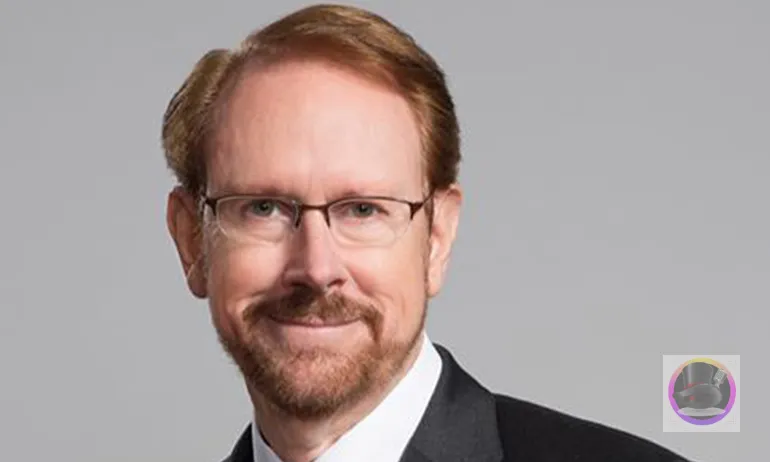
3. Daniel Burrus — Practical Transformation Strategy
Best for: Events where the audience needs a concrete decision-making framework, not just inspiration
Daniel Burrus is the originator of the Hard Trends methodology, a structured approach to distinguishing between trends that are certain to happen and those that are merely possible. For transformation audiences, this is genuinely useful: it gives leaders a way to prioritize technology investment based on certainty rather than hype.
Burrus has been speaking on technology and business transformation for over three decades, which means his frameworks have been stress-tested across multiple technology cycles. That longevity is a feature, not a limitation: he can contextualize AI and automation within a longer arc of organizational change that many newer speakers cannot.
- Signature topics: Hard Trends methodology, anticipatory leadership, technology disruption strategy, AI and automation adoption
- Audience fit: Operations leaders, technology decision-makers, mid-market executives, teams responsible for digital strategy
- Format strength: Keynote with workshop extension; highly effective in half-day formats
- Why book him over alternatives: If your audience is skeptical of hype and wants a practical lens for evaluating transformation priorities, Burrus delivers that more reliably than any other speaker on this list.
4. Peter H. Diamandis — Exponential Innovation and Big-Picture Disruption
Best for: Opening keynotes designed to shift mindset, inspire ambition, and frame the scale of technological change
Peter Diamandis is the co-founder of Singularity University and the XPRIZE Foundation. His expertise sits at the intersection of exponential technology, entrepreneurship, and abundance thinking. Where most transformation speakers focus on organizational change, Diamandis operates at the level of civilizational shift: he is most effective when you need an audience to genuinely grasp the magnitude of what is coming.
That makes him the strongest choice for an opening keynote at a large-scale transformation summit. He is less suited to sessions that require operational depth or implementation guidance.
- Signature topics: Exponential technologies, AI and longevity, space economy, disruption, abundance mindset
- Audience fit: Large mixed audiences, innovation teams, executive leadership, entrepreneurial organizations
- Format strength: High-energy opening keynote; large-stage formats
- Why book him over alternatives: Diamandis creates a sense of possibility that few speakers can match. If your event needs to overcome organizational inertia or fear of change, his framing of disruption as opportunity is strategically valuable.
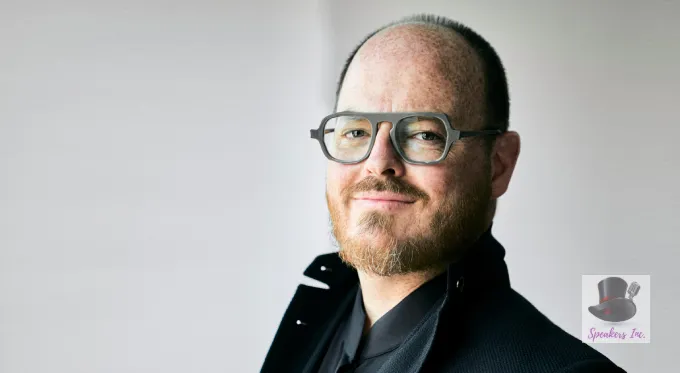
5. Nikolas Badminton — AI Adoption and Future of Work
Best for: Organizations moving from AI awareness to practical workforce and organizational adoption
Nikolas Badminton focuses specifically on the human side of technology adoption: how organizations restructure work, how leaders guide teams through AI integration, and what the future of employment looks like as automation accelerates. He has worked with major corporations and governments on futures strategy and brings a research-backed perspective to workforce transformation.
His keynotes are particularly effective when HR, people strategy, and organizational development leaders are in the room alongside technology executives. He bridges those two audiences better than most futurists on the circuit.
- Signature topics: Future of work, AI adoption, workforce transformation, organizational futures strategy
- Audience fit: HR leaders, people strategy teams, organizational development executives, mixed leadership audiences
- Format strength: Keynote and panel facilitation; works well in multi-speaker formats
- Why book him over alternatives: If your transformation event has a strong workforce or talent dimension, Badminton covers that ground more specifically than any other speaker on this list.
6. Ayesha Khanna — AI, Smart Systems, and Emerging Technology Ecosystems
Best for: Organizations with exposure to AI, IoT, smart infrastructure, or quantum computing; particularly strong for technology and financial services sectors
Ayesha Khanna is the co-founder of ADDO AI, an AI advisory firm, and brings practitioner-level depth to her keynotes. She covers AI, robotics, smart cities, and the intersection of emerging technology with business and society. Her background as an actual AI company founder gives her a credibility that pure speakers often lack.
Her talks are particularly well-suited to audiences that want to understand not just what AI can do, but how organizations build the infrastructure, governance, and leadership capability to deploy it at scale.
- Signature topics: AI strategy and deployment, smart cities and IoT, robotics, quantum computing, workforce disruption
- Audience fit: Technology executives, financial services leaders, government and public sector, innovation-focused boards
- Format strength: Keynote and expert panel; strong in international contexts
- Why book her over alternatives: Khanna’s practitioner background makes her especially credible with technical audiences who will push back on surface-level AI commentary. She holds up under scrutiny in ways that narrative-first futurists do not.
7. Jonathan Brill — Future Strategy and Resilient Growth
Best for: Executive audiences navigating uncertainty at the intersection of technology, geopolitics, and market disruption
Jonathan Brill is the author of Rogue Waves and a former Global Futurist at HP. His focus is on resilient growth strategy: how organizations make good decisions when the future is genuinely uncertain, and how leaders build the organizational capacity to adapt to disruption rather than just survive it.
Brill is particularly relevant for 2026 audiences because he addresses AI not in isolation but in the context of geopolitical risk, supply chain volatility, and macroeconomic uncertainty. That broader frame makes him a strong fit for executive audiences managing complexity across multiple dimensions simultaneously.
- Signature topics: Resilient growth strategy, disruption and uncertainty, AI and geopolitics, organizational adaptability
- Audience fit: C-suite executives, strategy teams, risk and governance leaders, enterprise leadership
- Format strength: Keynote and executive roundtable; works well as a closing keynote that synthesizes themes
- Why book him over alternatives: If your event touches on strategic risk and uncertainty as well as technology, Brill connects those threads more effectively than speakers who focus on technology alone.
8. Neil Redding — Applied AI and the Near Future of Business
Best for: Executive audiences who need to move from AI awareness to practical organizational action, without the science fiction framing
Neil Redding operates under the brand “The Near Futurist” for a specific reason: his focus is the immediate horizon, not the distant future. With over 30 years of experience as a computer scientist, innovation architect, and strategic advisor, Redding translates emerging technology into practical business value through what he calls his Near Future Framework.
His 2026 schedule has included SXSW, the Dubai Future Forum, the ITForum CIO Summit in Brazil, and corporate events for Meta and Microsoft. His central argument for 2026 is that AI has crossed a threshold: it is no longer a tool that responds to commands but an active participant in organizational work, which requires leaders to shift from command-and-control to orchestration.
“With AI, the near future is next week. The challenge for leaders is knowing what to pay attention to, what to ignore, and how to turn that into a business decision.” — Neil Redding
- Signature topics: Agentic AI and leadership, AI as organizational participant, spatial computing, near future business strategy, human-AI collaboration
- Audience fit: C-suite executives, CIOs, innovation leaders, business transformation teams
- Format strength: Keynote and interactive “keyshop” formats; particularly effective in smaller executive settings
- Why book him over alternatives: Redding occupies a distinctive position between pure futurist and management consultant. His computer science background and hands-on innovation work at firms like Thoughtworks and Gensler give him practitioner credibility that narrative futurists lack, while his keynote delivery is engaging rather than academic.
9. David “Shingy” Shing — Cultural Intelligence and Creative Transformation
Best for: Events where the transformation agenda includes brand, marketing, customer culture, and creative innovation alongside technology
David Shing, widely known as “Shingy,” is a former Digital Prophet at AOL and now operates as an independent creative advisor and cultural strategist. His keynotes occupy a different register from the other speakers on this list: he approaches digital transformation through the lens of cultural acceleration, creativity, and human meaning-making.
His 2026 program has included keynotes at NeoCon, Digital Summit Chicago, and Digital Summit Minneapolis, where his session “Beyond the Prompt: How AI is Reshaping Creativity, Connection and the Future of Marketing” addressed how AI is remaking not just operations but the creative and cultural dimensions of business.
“Every era normalizes what once felt impossible. This talk is about helping designers and leaders build the creative and cultural readiness to evolve with accelerating technology, without losing the human core that makes design meaningful.” — David Shing, NeoCon 2026
- Signature topics: AI and creativity, cultural transformation, brand relevance in the digital age, future of marketing and customer experience, human imagination in an AI world
- Audience fit: Marketing leaders, brand strategists, creative and design teams, CX executives, mixed audiences where cultural change is part of the transformation agenda
- Format strength: High-energy keynote; strong on large stages and at marketing-adjacent conferences
- Why book him over alternatives: Shingy brings a perspective that no other speaker on this list covers: the creative and cultural dimension of transformation. If your event audience includes marketing, brand, or customer experience leaders, his presence adds a dimension that pure technology futurists miss.
Quick-Reference Comparison: Which Speaker Fits Your Event
Use this table to match speaker strengths to your specific event format and audience.
| Speaker | Primary Strength | Best Audience | Best Format |
|---|---|---|---|
| Amy Webb | Data-driven foresight and long-range strategy | C-suite, board members | Keynote or strategy workshop |
| Brian Solis | AI adoption and business model transformation | Digital and transformation leaders | Opening or closing keynote |
| Daniel Burrus | Hard Trends framework and practical strategy | Operations and technology decision-makers | Keynote with workshop |
| Peter H. Diamandis | Exponential thinking and big-picture disruption | Large mixed audiences | High-energy opening keynote |
| Nikolas Badminton | Workforce transformation and AI adoption | HR, people strategy, mixed leadership | Keynote or panel |
| Ayesha Khanna | AI deployment, smart systems, practitioner depth | Technology and financial services leaders | Keynote or expert panel |
| Jonathan Brill | Resilience strategy under uncertainty | C-suite, risk and strategy teams | Keynote or executive roundtable |
| Neil Redding | Applied AI and the near future of organizational work | CIOs, innovation leaders, business transformation teams | Keynote or executive keyshop |
| David “Shingy” Shing | Cultural intelligence and creative transformation | Marketing, brand, and CX leaders | High-energy keynote |
If You Had to Pick Five
For a high-stakes digital transformation summit covering the full range of AI, strategy, and workforce change, this combination delivers the broadest coverage without redundancy:
- Amy Webb — Opens with rigorous, data-backed foresight to frame the stakes
- Brian Solis — Delivers the core transformation narrative for AI-driven business change
- Daniel Burrus — Provides the practical framework for prioritizing action
- Neil Redding — Bridges from strategy to near-term organizational execution
- David Shing — Closes with the creative and cultural dimension, leaving the audience energized and human-centered
Adjust based on your audience mix: swap Badminton in if workforce transformation is a primary theme, or Khanna if your audience skews heavily technical.
Questions to Ask Before You Finalize Your Speaker Shortlist
Even the best speaker on paper can be a poor fit for a specific event. Before committing to a booking, work through these questions with your bureau or directly with the speaker’s team.
1. What does the audience already know? A C-suite that has been wrestling with AI strategy for two years needs a different keynote than a leadership team just beginning to engage with the topic. Ask the speaker how they calibrate for audience sophistication and whether they customize based on a pre-event briefing.
2. Is this an opening or closing keynote? Opening keynotes need to establish stakes and create urgency. Closing keynotes need to synthesize and motivate action. Not all speakers are equally strong in both positions. Diamandis and Shing are natural openers. Brill and Burrus work well as closers.
3. What are the three audience takeaways? If a speaker or their representative cannot answer this clearly and specifically, the keynote is likely more inspirational than actionable. For transformation events, vague emotional takeaways are not enough.
4. How current is their material? Digital transformation is moving fast. A speaker whose case studies are from 2023 and who has not updated their AI framing since the last major model release is not current. Ask when their material was last substantively updated.
5. What is their experience with your industry? A futurist who has spoken primarily to technology companies may not land as effectively with a healthcare or financial services audience. Ask for references from similar industry contexts.
The right answer to most of these questions is “let us find out for you.” A good speakers bureau does the vetting work so you do not have to. The value is not just the speaker roster; it is the institutional knowledge of which speakers perform well in which contexts.
Book Your Futurist Speaker Through Speakers Inc
Speakers Inc has over 30 years of experience matching corporate events with the right keynote talent. With access to more than 30,000 speakers worldwide through the International Association of Speakers Bureaus, the team can confirm availability, provide current fee guidance, and help you evaluate fit based on your specific audience, industry, and event format.
If you are building a shortlist for a digital transformation event and want personalized recommendations, including speakers not covered in this guide, contact the Speakers Inc team directly. Share your audience profile, event date, budget range, and whether you need an opening or closing keynote, and the team will come back with a curated shortlist within 24 hours.
The speakers on this list are in demand. For 2027 events, outreach in Q4 2026 is not early, it is appropriate. The best dates for top-tier futurists book 9 to 12 months in advance.
FAQ’S
Who is the best futurist speaker for a digital transformation event?
Amy Webb is the strongest choice for executive-level digital transformation events because she combines strategic foresight with data-driven analysis. If your audience needs a broader AI and business transformation message, Brian Solis is the best all-around fit.
What makes a futurist speaker good for digital transformation?
The best futurist speakers connect emerging technology to business strategy, AI adoption, leadership, workforce change, and customer experience. They should leave the audience with useful frameworks, not just predictions about the future.
Which futurist speaker is best for C-suite audiences?
Amy Webb is usually the best fit for C-suite audiences because her work is rigorous, strategic, and focused on long-range decision-making. Jonathan Brill is also a strong option when the event centers on risk, uncertainty, and resilient growth.
Which futurist speaker is best for AI transformation?
Brian Solis is one of the strongest choices for AI-driven transformation because his talks address business reinvention, customer experience, human-AI collaboration, and the organizational changes needed in an AI-first world.
Who is best for workforce transformation and the future of work?
Nikolas Badminton is a strong choice when the agenda includes workforce change, HR, and organizational development. He is especially useful for events where leaders need to understand how AI affects jobs, teams, and operating models.
How far in advance should I book a futurist speaker?
For top futurist speakers, booking 9 to 12 months in advance is a smart rule of thumb, especially for major conferences and executive summits. The most in-demand speakers often have limited availability well before the event date.
Speaker Listing

No results available
Further articles you may enjoy:
- (19)
How to Find a Motivational Speaker for Your Employee Engagement Event Employee disengagement is not a morale problem. It is a revenue problem. Gallup’s 2025 State of the Global Workplace report found that only 21% of employees worldwide are engaged at work, a drop from 23% the previous year. In the United States alone, that […]
- September 3, 2026
- (29)
The Most In-Demand Keynote Speaker Topics for 2026 (And What They Mean for Your Event) Corporate event planners are facing a different booking landscape in 2026. Audiences are sharper, more skeptical, and less patient with speakers who deliver polished performances without real substance. Boards want keynotes that move strategy. Attendees want talks that help them […]
- September 2, 2026
- (26)
Best Motivational Speakers for a Nonprofit Annual Gala (and How to Choose the Right One) The keynote speaker at a nonprofit gala is not just a line item on the run-of-show. They are the emotional turning point of the evening. Get it right, and your guests leave inspired, connected to your mission, and ready to […]
- August 28, 2026
- (58)
Best Keynote Speakers for Tech Conferences in 2026 Introduction The best keynote speakers for tech conferences in 2026 bring more than a polished stage presence. They bring clear point of view, real-world credibility, and a talk that maps to the audience’s priorities, whether that means AI adoption, innovation strategy, digital transformation, cybersecurity, or leadership through […]
- August 18, 2026
- (21)
Top Finance Speakers for Financial Planning and Wealth Management Conferences Financial audiences are unforgiving. Advisors and wealth managers spend their days interpreting markets, navigating client psychology, and justifying every recommendation with data. When they sit down for a conference keynote, they expect the same rigor from the stage. A speaker who delivers generic inspiration or […]
- August 13, 2026

- (36)
Best Digital Transformation Speakers for Events: A Speakers Inc Shortlist for 2026 Most digital transformation events get the speaker brief wrong. The instinct is to book the most impressive futurist on the circuit, someone with a big TED Talk, a polished deck full of exponential curves, and a talent for making the future sound both […]
- August 10, 2026
- (26)
Best Futurist Speakers for Digital Transformation Events Digital transformation events carry a heavy burden. Attendees arrive skeptical, overwhelmed by buzzwords, and quietly wondering whether their organization is already behind. The keynote speaker you choose sets the entire tone. Either the audience leaves energized with a clear picture of what comes next, or they leave with […]
- August 4, 2026
- (44)
How to Evaluate an AI Keynote Speaker for Your Industry What Makes an AI Keynote Speaker Right for Your Industry? The AI speaker market has exploded. There are now hundreds of people positioning themselves as AI keynote speakers, and most of them will tell you they can speak to any audience. The reality is more […]
- July 30, 2026
No results available