
Why Keynote Speakers Fail U.S. Audiences: 6 Fixes
- Author: Speakers Inc
Read the news article
Why Your Last Keynote Speaker Didn’t Engage the Audience (And How to Fix It Next Time)
You spent months planning the event. You negotiated the contract, handled the logistics, and built the agenda around a keynote that was supposed to set the tone for everything that followed. Then the speaker walked off stage and the room just… moved on. No buzz in the hallways. No one quoting the talk at lunch. Just polite applause and a quiet sense that something had been missing.
If that sounds familiar, you’re not alone. Keynote disappointment is one of the most common frustrations in corporate event planning, and it’s almost always preventable. The good news: when a keynote falls flat, there are clear, diagnosable reasons why. Understanding them is the first step to making sure it never happens again.
Here’s the hard truth: most keynote failures aren’t about the speaker’s credentials or fame. They’re about fit, preparation, and execution. This guide breaks down the six most common reasons U.S. audiences disengage from keynotes, and exactly what event planners can do differently next time.
1. The Content Didn’t Resonate With a U.S. Audience
Cultural relevance isn’t a soft consideration. It’s one of the most decisive factors in whether an audience stays engaged or mentally checks out within the first ten minutes.
When a speaker relies on foreign case studies, international regulatory frameworks, or brand examples that mean nothing to an American audience, the message loses its grip immediately. U.S. attendees want to see themselves in the story. They want to hear about companies they recognize, challenges they face in their own markets, and examples drawn from industries they understand.
According to audience engagement research from Sylvie DiGiusto, audiences disengage rapidly when they don’t feel the speaker understands their local context or challenges. This is especially pronounced in the U.S., where regional industry dynamics, workplace culture, and business language are distinct enough that even a globally recognized speaker can fall flat without proper localization.
What this looks like in practice
- A speaker referencing European GDPR compliance in a room full of U.S. healthcare executives
- Case studies built around brands or companies that U.S. attendees don’t recognize
- Cultural humor or idioms that land differently across international audiences
- Economic or policy references that don’t apply to the American market
The fix: Before booking, ask directly: “How do you customize your content for U.S. audiences?” A speaker who can’t give a specific, confident answer is a risk. The best keynote speakers invest time learning about the audience’s industry, company, and current challenges before they ever step on stage.
2. The Speaker Lectured Instead of Telling Stories
Slides packed with bullet points. Graphs. Industry statistics. A relentless march through a structured presentation deck. This is the format that kills more keynotes than any other single factor.
Neuroscience is unambiguous on this point: the human brain is wired for narrative, not data. When we hear a story, multiple regions of the brain activate simultaneously, including those responsible for sensory experience, emotion, and memory. When we hear a list of facts, only the language-processing regions engage. The result is predictable: stories stick, lectures don’t.
“The brain processes stories differently from facts. Narrative activates sensory, motor, and emotional brain regions simultaneously, creating a phenomenon researchers call ‘neural coupling’ between speaker and listener.” — Paul Zak, Harvard Business Review
The difference between a lecture and a keynote
| Lecture Format | Keynote That Engages |
|---|---|
| Opens with an agenda slide | Opens with a compelling story or bold statement |
| Data-heavy, evidence-first | Story-first, data used to reinforce narrative |
| Speaker reads from slides | Speaker uses slides as visual support only |
| Passive audience throughout | Audience emotionally invested in the outcome |
| Forgettable within 48 hours | Referenced by attendees weeks later |
A speaker who delivers a lecture may be brilliant in their field. But brilliance without storytelling doesn’t translate on stage. When evaluating speakers, watch their demo reels specifically for narrative arc: does the talk build toward something, or does it just present information?
The fix: Require a demo video, not just a speaker bio. Listen for stories, not just talking points. The best motivational speakers lead with human experience and use data to reinforce it, never the other way around.
3. Low Energy and Weak Stage Presence
Audience energy mirrors speaker energy. This isn’t a metaphor. It’s a documented psychological phenomenon called emotional contagion, the tendency for people to unconsciously synchronize their emotional state with those around them.
When a speaker takes the stage with low energy, a flat delivery, or poor body language, the audience doesn’t compensate. They absorb it. Within minutes, the room is disengaged and there is almost nothing an event planner can do from the back of the room to recover it.
Stage presence isn’t about being loud or extroverted. It’s about intentionality. The most effective keynote speakers deliberately vary their vocal tone, pace, and volume to hold attention. They move with purpose. They make eye contact across the room. They understand that every physical and vocal choice either builds or erodes audience engagement.
Signs of weak stage presence to watch for in demo reels
- Monotone delivery with little variation in pace or pitch
- Static positioning (standing behind a podium the entire time)
- Reading from notes or slides rather than speaking to the audience
- Lack of eye contact, looking down or at the screen
- Filler language (“um,” “uh,” “you know”) that signals low preparation
The fix: Never book a speaker based on their bio alone. Watch at least 10 to 15 minutes of live footage, preferably from an event similar in size and format to yours. Energy in a 50-person workshop looks different from energy in a 500-person general session. Make sure the footage matches your context. Speakers Inc provides curated video for every speaker in its roster, specifically for this reason.
4. No Interaction or Audience Participation
Post-pandemic U.S. audiences have fundamentally different expectations than they did in 2019. After years of passive Zoom meetings and virtual events where the most participation anyone offered was a thumbs-up emoji, live audiences are hungry for real interaction. When a speaker simply talks at them for 45 to 60 minutes without creating any moments of participation, the old “Zoom fatigue” pattern kicks in even in a live setting.
This isn’t about gimmicks or forced icebreakers. It’s about designing the talk to make the audience feel like participants rather than spectators. The most effective keynotes today build in structured moments where attendees reflect, respond, or engage, whether through live polling, brief partner discussions, Q&A segments, or well-crafted rhetorical questions that prompt genuine internal engagement.
Key insight: A 2024 Eventbrite study on live event trends found that audience participation and interactive elements rank among the top factors attendees cite when rating an event experience as “excellent” versus merely “good.”
Interaction techniques that work at scale
- Polling with live results (tools like Slido or Mentimeter) that surface real-time audience opinions the speaker can respond to
- Turn-and-talk moments where attendees discuss a prompt with the person next to them for 60 to 90 seconds
- Show of hands or standing exercises that create physical movement and break passive listening
- Q&A woven throughout rather than relegated to a rushed five minutes at the end
- Challenge or commitment prompts where attendees write down one action they’ll take before leaving the room
The fix: When briefing a speaker, explicitly ask: “What interaction does your talk include, and at what points?” If the answer is “I usually take questions at the end,” push harder. For leadership speakers and business speakers especially, the ability to read and engage a room in real time is a non-negotiable skill.
5. The Speaker Was a Poor Fit for the Event’s Goals
Name recognition is a seductive selection criterion. A speaker with a bestselling book, a TED Talk with millions of views, or a recognizable brand feels like a safe choice. But fame and fit are entirely different things, and confusing them is one of the most expensive mistakes event planners make.
Research from Velvet Chainsaw Consulting, a firm that studies conference effectiveness, found that most keynote speakers fail to deliver measurable learning or performance improvement because the selection process prioritizes entertainment and name value over alignment with the event’s actual learning objectives.
The result is a talk that’s enjoyable in the moment but generates no lasting change in behavior, mindset, or performance. Attendees leave entertained but not equipped. And when your leadership team asks “what did people take away from the keynote?”, the honest answer is: not much.
The right questions to ask before booking
| Instead of asking… | Ask this instead… |
|---|---|
| “Is this speaker well-known?” | “Does this speaker have deep experience in our industry?” |
| “Have they spoken at big events?” | “Can they show outcomes from similar events?” |
| “Is their topic interesting?” | “Does their topic directly address our attendees’ challenges?” |
| “Are they available on our date?” | “Are they willing to customize for our specific audience?” |
The fix: Define your event’s success criteria before you start evaluating speakers, not after. What should attendees think, feel, or do differently as a result of this keynote? Every speaker under consideration should be evaluated against that specific outcome. A communication speaker who drives behavior change is worth far more than a celebrity who draws applause but no action.
6. There Was No Follow-Through After the Talk
A keynote is a catalyst, not a conclusion. The most powerful talks in the world have a half-life of about 72 hours if there is nothing in place to reinforce the message after the speaker leaves the stage.
This is where most events drop the ball. The keynote ends, attendees head to lunch, the next session starts, and by the time they’re back at their desks on Monday the insights have been buried under emails and meetings. Without deliberate reinforcement, even an exceptional keynote produces minimal lasting impact.
According to learning retention research published by LinkedIn Learning, people forget approximately 70% of new information within 24 hours without reinforcement. For a keynote that cost thousands of dollars and anchored your entire event, that’s a significant return problem.
How to extend keynote impact beyond the stage
- Pre-event priming: Share a short article or video from the speaker before the event so attendees arrive with context and anticipation
- Live note-taking prompts: Provide a structured one-page worksheet attendees complete during the talk, capturing their top insights and one action commitment
- Post-event follow-up content: Request a short video recap, summary document, or resource list from the speaker to distribute within 48 hours of the event
- Team discussion guides: Give managers a set of three to five discussion questions to use in the first team meeting after the event
- 30-day check-in: Build a follow-up touchpoint into your event plan where attendees report back on one thing they implemented
The fix: Make post-keynote reinforcement a contractual expectation, not an afterthought. When negotiating with a speaker, include a follow-up deliverable in the agreement. The best speakers will have a system for this already. If they don’t, it’s a signal about how seriously they take audience outcomes versus performance.
How to Get It Right Next Time: A Pre-Booking Checklist for U.S. Event Planners
The six failure modes above have a common thread: they’re all preventable with the right process up front. Here is a practical checklist to run through before signing any keynote speaker contract.
Speaker evaluation checklist
- Watch 10-15 minutes of live footage from an event similar in size and format to yours
- Confirm U.S. audience experience: Has this speaker addressed American corporate audiences in your industry before?
- Verify customization commitment: Will they conduct a pre-event call to learn about your specific audience demographics, pain points, and goals?
- Identify the outcome: Can the speaker articulate in one sentence what attendees will think, feel, or do differently after the talk?
- Check interaction design: Does the talk include structured audience participation, not just an end-of-session Q&A?
- Assess storytelling vs. lecturing: Is the talk narrative-driven or data-driven? Does it open with a story?
- Confirm follow-up deliverables: Is the speaker willing to provide post-event materials as part of the engagement?
- Request references: Ask specifically for testimonials from event planners (not just attendees) who can speak to the speaker’s professionalism and customization process
The brief you should send every speaker
Before any keynote, send the speaker a written brief that includes:
- Audience demographics (industry, seniority, company size, average age range)
- The three biggest challenges your attendees are currently facing
- The event’s theme and overarching goals
- What happened at the last event (so they don’t repeat content)
- Any sensitivities or topics to avoid
- The specific outcome you want the audience to leave with
A speaker who reads this brief carefully and asks follow-up questions is a speaker who takes their craft seriously. A speaker who ignores it and delivers their standard talk anyway is a speaker who will disappoint your audience.
Work With a Bureau That Vets for Fit, Not Just Fame
The single most effective safeguard against a disappointing keynote is working with a speakers bureau that does the diagnostic work before you ever see a name on a shortlist.
At Speakers Inc, every recommendation starts with understanding your event: the audience, the goals, the industry context, and the outcome you need to deliver. With access to more than 30,000 speakers worldwide through the International Association of Speakers Bureaus, the team doesn’t just match you with someone who is available on your date. They match you with someone who has the specific experience, style, and cultural fluency to move your particular audience.
The difference between a keynote that generates post-event buzz and one that gets politely forgotten often comes down to one thing: how well the speaker was matched to the room. That match is what Speakers Inc specializes in.
Ready to find a keynote speaker who will genuinely engage your U.S. audience? Contact the Speakers Inc team for a personalized consultation. Share your event goals, audience profile, and the outcome you need, and the team will build you a shortlist of speakers who can deliver it.
FAQ’s
Key Takeaways
✓ Audience fit matters more than fame.
✓ Storytelling beats data dumps.
✓ Stage presence affects audience energy.
✓ Interaction increases engagement.
✓ Define outcomes before selecting a speaker.
✓ Reinforcement after the keynote determines long-term impact.
Further articles you may enjoy:

- (6)
Best Financial Planning and Wealth Management Speakers for Advisor Conferences Booking the right keynote speaker for a financial advisor conference is harder than it looks. The audience already knows the basics. They’ve read the market commentary, sat through the compliance updates, and heard the generic “plan for the future” talks. What they respond to is […]
- October 19, 2026

- (27)
Best Futurist Speakers for Digital Transformation Events in 2026 Booking the wrong futurist for a digital transformation event is an expensive mistake. A speaker who delivers breathless predictions about 2040 may energize a general audience for 45 minutes, then leave your leadership team with no clearer idea of what to do Monday morning. The right […]
- October 6, 2026
- (23)
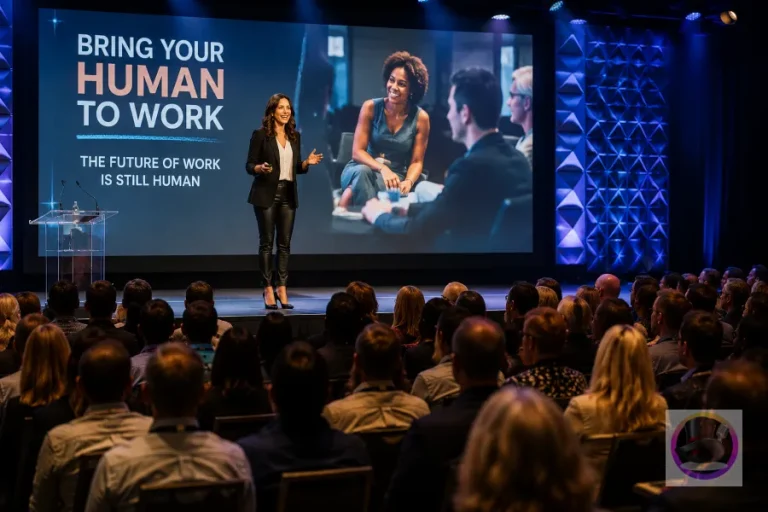
How to Find a Motivational Speaker for Your Employee Engagement Event Employee disengagement is not a morale problem. It is a revenue problem. Gallup’s 2025 State of the Global Workplace report found that only 21% of employees worldwide are engaged at work, a drop from 23% the previous year. In the United States alone, that […]
- September 3, 2026
- (40)
The Most In-Demand Keynote Speaker Topics for 2026 (And What They Mean for Your Event) Corporate event planners are facing a different booking landscape in 2026. Audiences are sharper, more skeptical, and less patient with speakers who deliver polished performances without real substance. Boards want keynotes that move strategy. Attendees want talks that help them […]
- September 2, 2026

- (39)
Best Motivational Speakers for a Nonprofit Annual Gala (and How to Choose the Right One) The keynote speaker at a nonprofit gala is not just a line item on the run-of-show. They are the emotional turning point of the evening. Get it right, and your guests leave inspired, connected to your mission, and ready to […]
- August 28, 2026

- (66)
Best Keynote Speakers for Tech Conferences in 2026 Introduction The best keynote speakers for tech conferences in 2026 bring more than a polished stage presence. They bring clear point of view, real-world credibility, and a talk that maps to the audience’s priorities, whether that means AI adoption, innovation strategy, digital transformation, cybersecurity, or leadership through […]
- August 18, 2026
- (41)
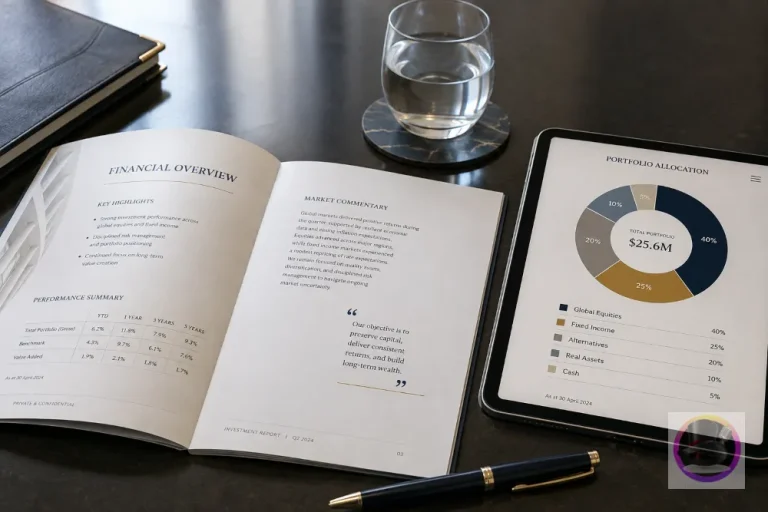
Top Finance Speakers for Financial Planning and Wealth Management Conferences Financial audiences are unforgiving. Advisors and wealth managers spend their days interpreting markets, navigating client psychology, and justifying every recommendation with data. When they sit down for a conference keynote, they expect the same rigor from the stage. A speaker who delivers generic inspiration or […]
- August 13, 2026

- (44)
Best Digital Transformation Speakers for Events: A Speakers Inc Shortlist for 2026 Most digital transformation events get the speaker brief wrong. The instinct is to book the most impressive futurist on the circuit, someone with a big TED Talk, a polished deck full of exponential curves, and a talent for making the future sound both […]
- August 10, 2026
No results available